InterContinental Danang Sun Peninsula Resort
★★★★★ Son Tra
9.5
4,020 reviews
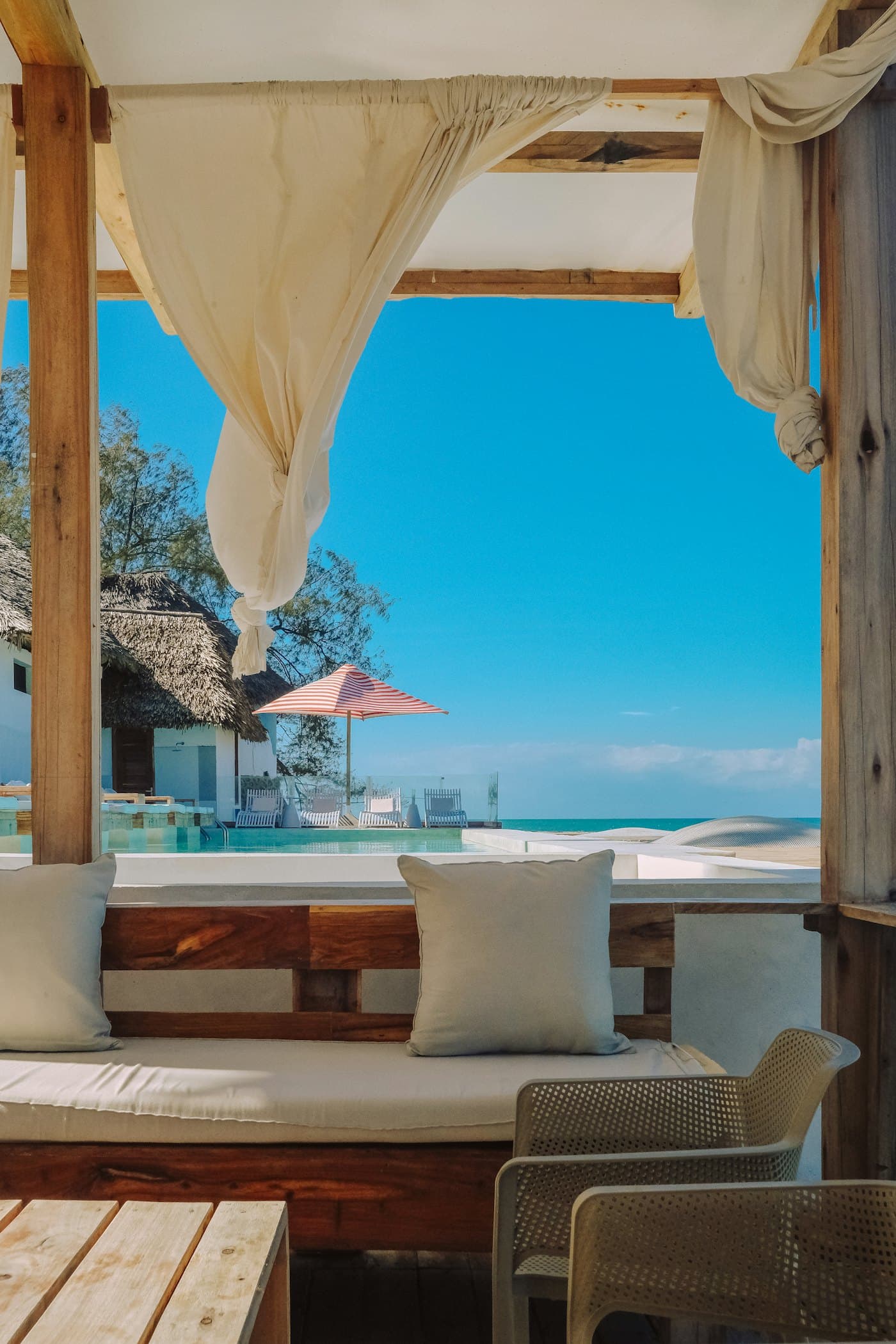
A hillside cliff resort that feels like its own village. Son Tra, Da Nang.
beachfrontsparomanticfamily
from US$340 / night

Vietnam
Long beaches, marble mountains and a gateway to Hoi An
Best time: February to May has the best weather. September to December can bring storms and rain.
Getting around: Taxis and ride-hailing are cheap. The airport is about 15 minutes from the beach strip.
Da Nang is a modern coastal city with long, clean beaches, a growing food scene and mountains just inland. It sits between Hue and Hoi An, which makes it a great base for central Vietnam. Hoi An's lantern-lit old town is about 40 minutes away, and the Marble Mountains are on the city's edge. Wide boulevards, riverside promenades and bright bridges give the city an open, easygoing feel that is quite different from the country's larger metropolises.
Resorts here offer exceptional value, with big pools, children's clubs and spa treatments at prices that are modest compared with similar properties elsewhere. Food is a highlight too, from turmeric noodles and grilled pork rolls to fresh seafood served on plastic stools at the beach. This guide explains where to stay, when to go, how to get around, and how to match your hotel to your style of travel.
My Khe Beach is the main beach strip, with a wide choice of hotels and resorts, cafes, seafood restaurants and easy access to the city centre. The sand is long and gently sloping, and the sunrise walks are popular with locals. Hotels range from compact, good-value towers across the road to larger resorts on the sand. It is the best base for most visitors, especially first-timers who want beach time and plenty of dining choice within walking distance.
The Son Tra Peninsula is a forested headland with some of the country's most luxurious resorts, set on quiet coves. It is peaceful and private, with strong service, spacious villas and dramatic scenery, though you will rely on transfers to reach restaurants and sights. It suits travellers who want to switch off for a few days rather than sightsee constantly. Many resorts run their own shuttles to the city, but check the schedule before booking.
The city centre by the Han River has business hotels, riverside bars and views of the Dragon Bridge, which breathes fire and water on weekend evenings. It is good for short stays and travellers who like city life, with markets, cafes and local restaurants on foot. The beach is a short ride away rather than a walk, so it works best if you will be out most of the day.
Non Nuoc Beach, to the south, and the area close to Hoi An offer quiet resorts and villas. If Hoi An is your main goal, staying near the old town can save time, though the nightlife is quieter and the beach scene is more spread out. These areas suit slow travel, golf, spa stays and anyone wanting a gentler pace than the main city strip.
An Thuong, just behind My Khe, is a compact district packed with cafes, small hotels, pubs and restaurants favoured by long-stay visitors. It is lively without being overwhelming, with the beach a few minutes away. Rooms are often modern apartments with kitchens, which makes it popular for week-long stays and remote workers who want good food and fast connections nearby.
Ranked by guest scores, location and overall value. Prices are indicative nightly rates.
A hillside cliff resort that feels like its own village. Son Tra, Da Nang.
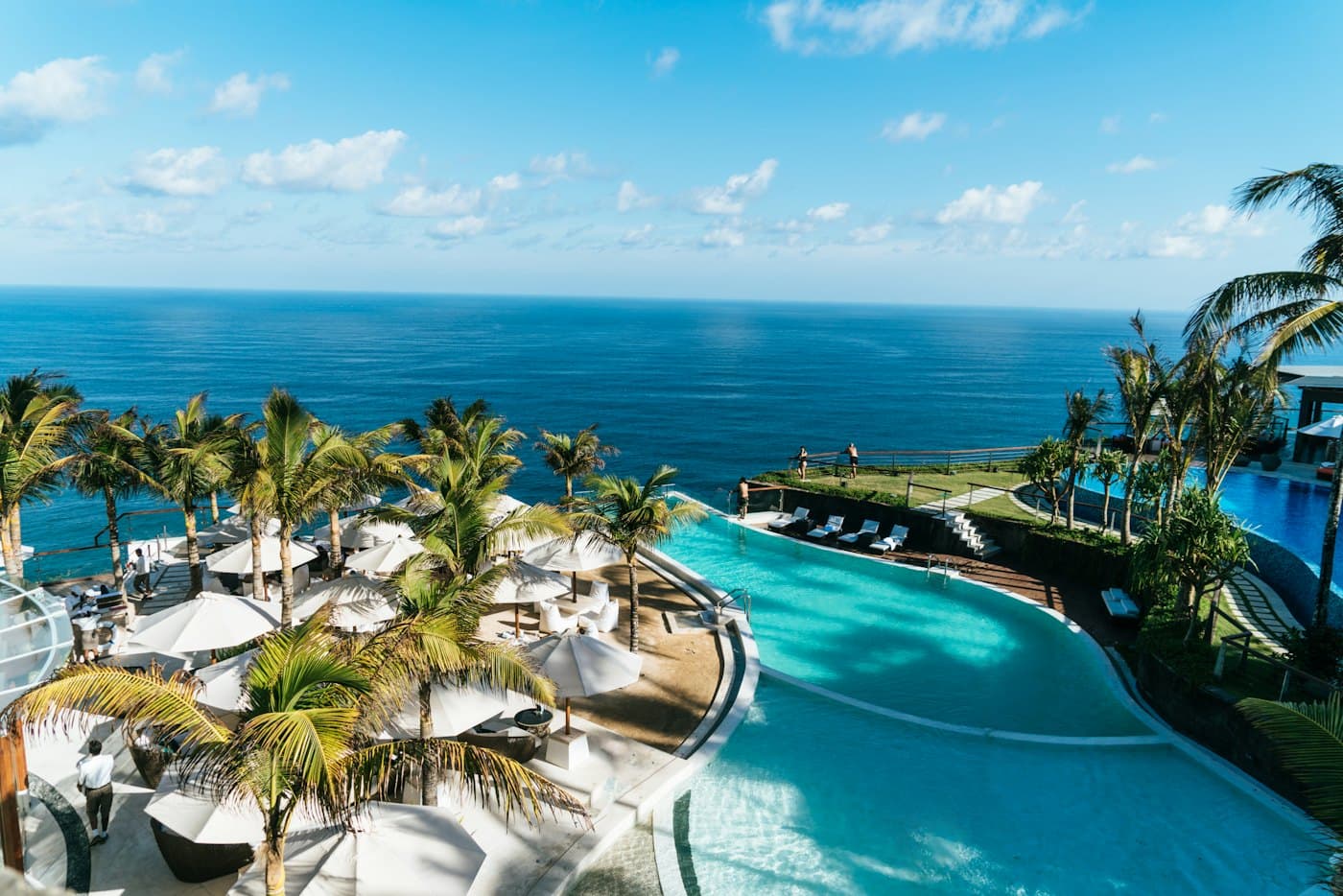
A wooden-style wellness retreat by the sea. Ngu Hanh Son, Da Nang.
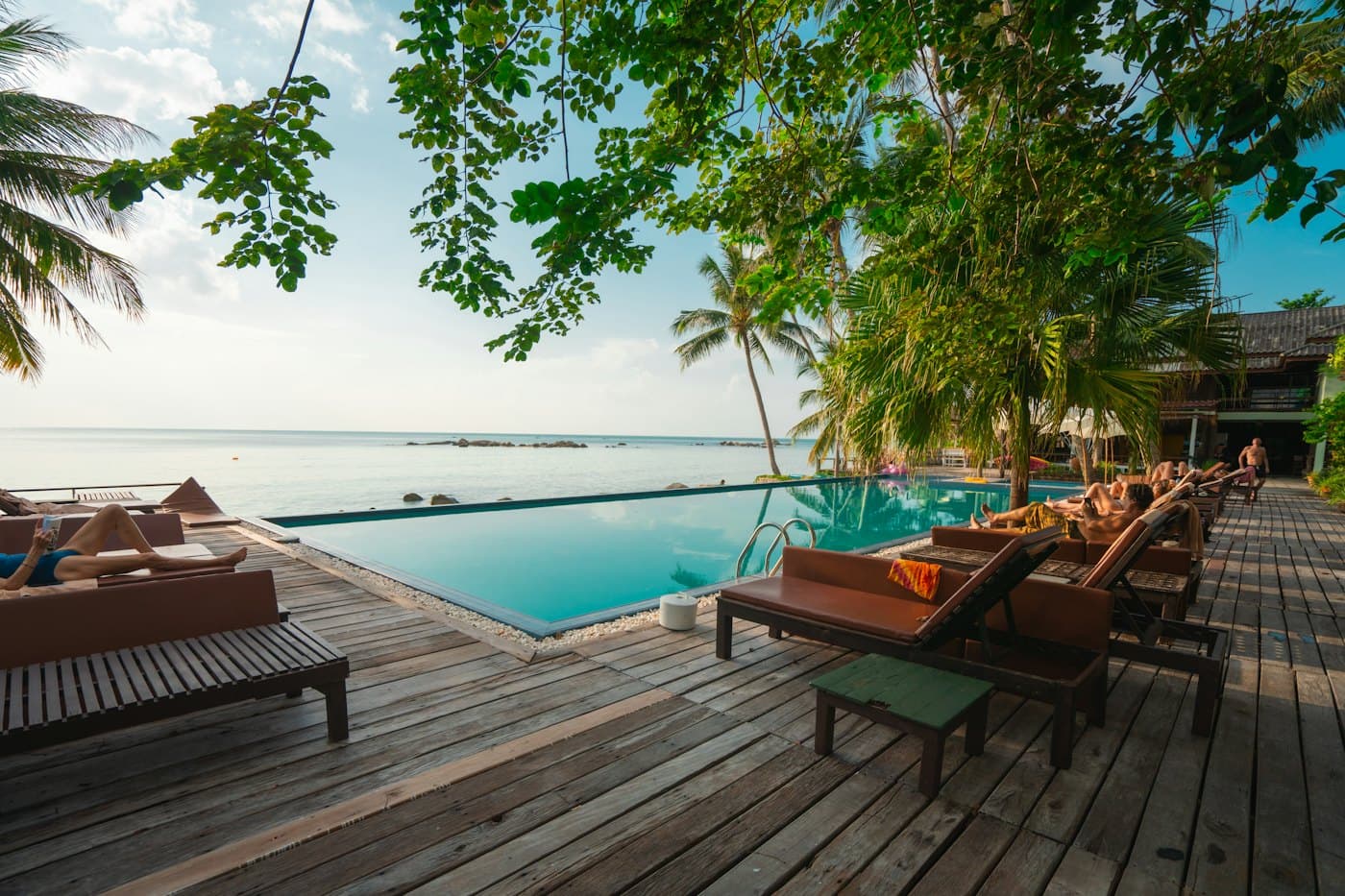
A long beach, big pools and kids' club. Ngu Hanh Son, Da Nang.
A veteran resort with one of the best beachfronts. Ngu Hanh Son, Da Nang.

City-centre stay with views of the river. Hai Chau, Da Nang.
A boutique stay a few steps from My Khe beach. My Khe, Da Nang.
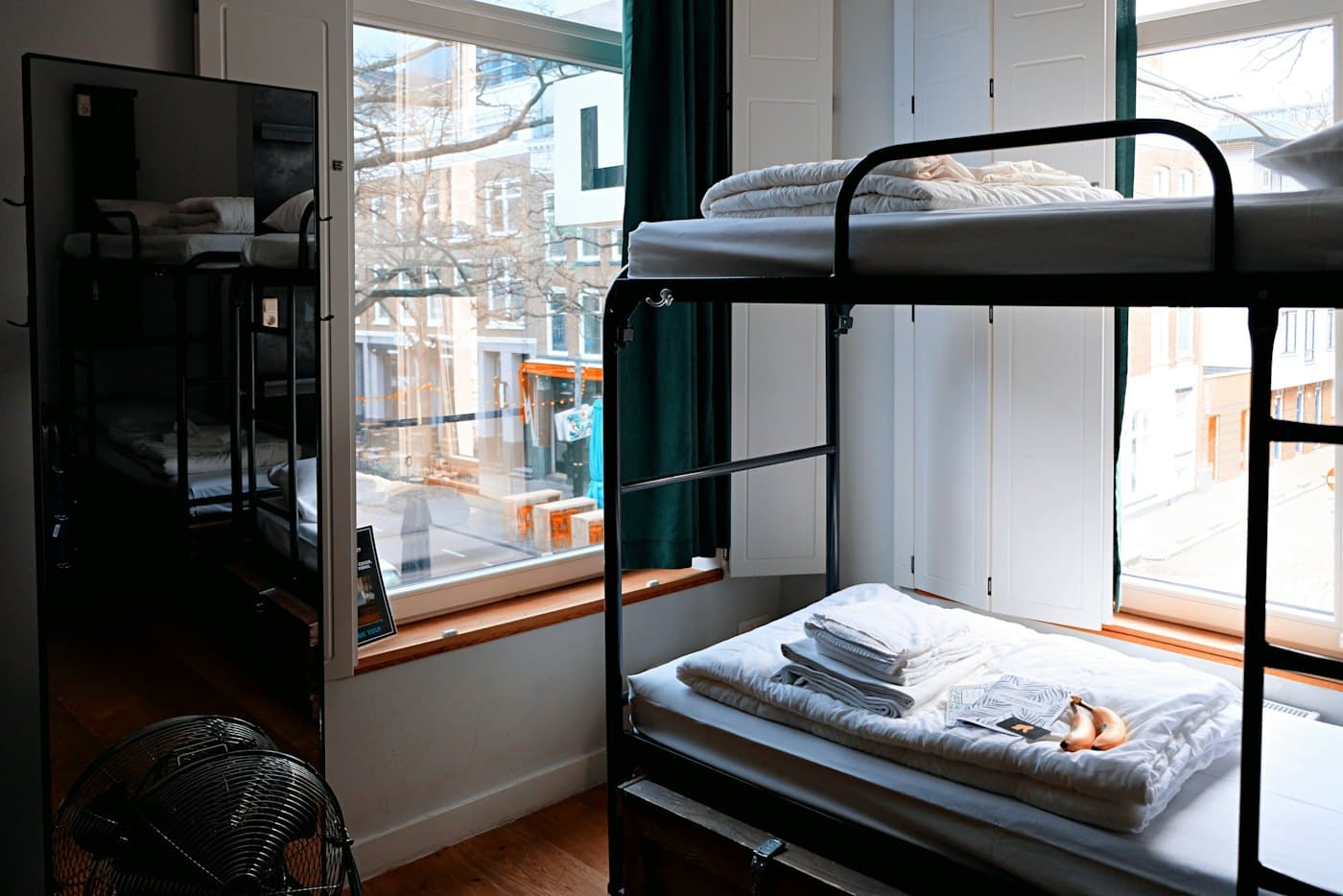
A friendly hostel with cheerful hosts. Hai Chau, Da Nang.
Classic hospitality in the old town. Hoi An, Da Nang.
February to May is usually the best, with sunny, warm weather and calm seas. June to August is hot and sunny, great for the beach but strong in the middle of the day, so plan outdoor sightseeing for mornings and late afternoons. Peak domestic holiday periods bring crowds and higher rates, particularly in summer and around national festivals.
September to December is the wetter season and can bring heavy rain and storms, so check forecasts if you travel then. Seas can be rough and swimming restricted on some days. Prices are often lower in the wetter months, which suits flexible travellers who can enjoy pools, spas and cafes when the weather turns. Always follow local advice and your hotel's guidance on beach conditions.
The airport is very close to the city, about 15 minutes from the beach strip by taxi or ride-hailing. It has good domestic links and a growing number of international connections, and many hotels offer a pickup service at a fair price. Arrival is quick and simple compared with most big cities.
Local transport is cheap and easy, and hotels can arrange transfers to Hoi An, Ba Na Hills and the Marble Mountains. Renting a car with a driver for a day is a convenient way to see the region and is good value for a family or small group. Taxis are metered, but confirm that the meter is running. Scooters are widely rented, yet traffic can be chaotic, so they are best left to experienced riders with a valid licence and a helmet.
Hostels and basic hotels often start at US$8 to US$20 a night, mid-range hotels from about US$40 to US$90, and luxury beach resorts from roughly US$120 upward, with the top Son Tra resorts higher. Prices vary by season and by how close you are to the sand.
Daily costs outside the hotel are low. Street food, local cafes and shared transport keep spending modest, and a good meal rarely costs much. Resort dining and tours organised through hotels cost more, so compare options before you commit. Many travellers choose a mid-range hotel and spend extra on one or two special days out.
Decide whether you want a resort stay with everything on site or a city and beach base with many restaurant choices. Check whether a free shuttle runs to Hoi An or the city. If you travel with children, look for resorts with kids' clubs and shallow pools. Always check the beach conditions during the stormy season.
Read recent reviews about noise, because construction and nightlife can affect some streets. Confirm whether breakfast is included, whether the beach is across a busy road, and what the cancellation terms are. A room with a balcony and sea view is often worth a small upgrade, especially in the quieter months.
Day 1: Arrive and settle in at the beach, then take an easy walk along My Khe in the late afternoon. Enjoy a seafood dinner at a casual beachfront restaurant, and try local specialties such as turmeric noodles. After dark, cross the river to see the Dragon Bridge, which lights up in colour and puts on its fire and water show on weekend evenings. Keep the first day relaxed, with a swim and a massage if you are tired from travelling. An early night prepares you for a busy second day.
Day 2: Head to Hoi An for the day, either by hotel shuttle, private car or taxi. Walk the old town in the morning, when it is cooler and quieter, visiting merchant houses, the covered bridge and the market. Have lunch at a local noodle shop, then browse the tailors and lantern stalls. Return in the evening to see the lanterns lit and float a candle on the river if you wish. Wear comfortable shoes and carry small cash, since many stalls do not accept cards.
Day 3: Spend the morning at the Marble Mountains, where caves, pagodas and viewpoints reward a short climb, or ride up to Ba Na Hills for cable cars, gardens and the famous bridge held by giant stone hands. Go early to avoid crowds and midday heat. In the afternoon, drive around Son Tra to see the coastline and the large Lady Buddha statue. End your trip with a relaxed sunset drink by the water and a final stroll on the sand.
Couples: Son Tra and the quieter southern beaches provide privacy, spa treatments and villas with pools. If you want a romantic setting with some nightlife, a boutique hotel along My Khe offers both sea views and easy dinners.
Families: Beachfront resorts on My Khe or Non Nuoc offer kids' clubs, shallow pools, family rooms and calm mornings on the sand. Look for connecting rooms and breakfast with flexible hours, and check that lifeguards are present on your beach.
Solo travellers: An Thuong and the My Khe area are sociable, with cafes, pubs and hostels. They are easy to walk, and taxis are cheap if you want to head out. Coworking-friendly cafes make longer stays comfortable.
Budget travellers: Compact hotels and hostels a block or two back from the beach save money without losing the sea. Aim for the lower-season months, travel on weekdays and eat at local restaurants to keep your daily spending small.
Business travellers: The city centre and the riverside have modern hotels with meeting rooms, strong connectivity and a short drive to the airport. If you want to unwind afterwards, a hotel near the beach lets you swim in the evening.
Travel in the shoulder months and midweek, because resort rates often rise sharply at weekends and during school holidays. Choose a hotel a few streets from the beach rather than on it, and compare cancellable offers so you can lock in a decent rate and switch if prices fall.
Eat where locals eat: noodle shops, grilled pork stalls and bakeries offer excellent meals for a few dollars. Use ride-hailing or metered taxis rather than organised transfers for short trips, and share a car with other travellers for day tours to Hoi An or Ba Na Hills. Book popular attractions with a fixed price in advance, and bring a refillable bottle and sunscreen to avoid inflated beach-side prices.
Da Nang is generally friendly and relaxed, but take normal care with phones and bags, especially on scooters and in crowded markets. Agree the price before using informal transport or buying from beach vendors, and confirm that taxi meters are running. Drink bottled or filtered water and choose busy food stalls with fresh ingredients.
Swim only where lifeguards are present and respect red flags, as currents can be strong, especially in the stormy season. Dress modestly when visiting pagodas and temples, cover shoulders and knees, remove shoes where indicated, and speak quietly. A smile and a few words of Vietnamese go a long way. Carry some small notes in local currency, since smaller shops often prefer cash, and keep valuables in your hotel safe.
Da Nang offers beaches, large resorts and more hotel choice, while Hoi An offers a charming old town and quieter evenings but fewer beach options. Many travellers split their stay, spending a few nights in each. If you want sand and facilities, base yourself in Da Nang and visit Hoi An by day.
Three to four days lets you enjoy the beach, Ba Na Hills, the Marble Mountains and a day in Hoi An without rushing. If you want a resort holiday with time for the spa and pool, five to seven days is more comfortable. Add extra time if you plan to visit Hue or the countryside.
Yes. Long, gently sloping beaches, big resorts with kids' clubs and easy transport make it a family favourite. Attractions such as Ba Na Hills and the Marble Mountains keep older children entertained. Choose a resort with shallow pools and lifeguards, and plan outdoor activities for cooler parts of the day.
February to August is generally best for beach conditions, with warm water, sunshine and calmer seas. From September to December, storms and rough waves can make swimming unsafe on some days. Always check the flags, follow lifeguard advice and ask your hotel about current conditions before entering the water.
Hoi An is about 40 minutes by car, depending on traffic and where you start. Many hotels run shuttles, and taxis, ride-hailing and private drivers are easy to find. The evening is the most atmospheric time to visit, so plan your return transport in advance, especially if you stay late.
No. It offers strong value, with resorts, spa treatments and restaurant meals costing noticeably less than in many comparable beach destinations. Prices rise in summer and at holiday weekends, but you can still find comfortable mid-range hotels at modest rates. Eating locally and using ride-hailing keeps daily costs low.
Not usually. Taxis and ride-hailing are cheap and widely available, and private drivers are good value for day trips. Traffic can be unpredictable, and a valid licence and insurance are important if you ride. If you are not an experienced rider, it is safer to use a car or driver.