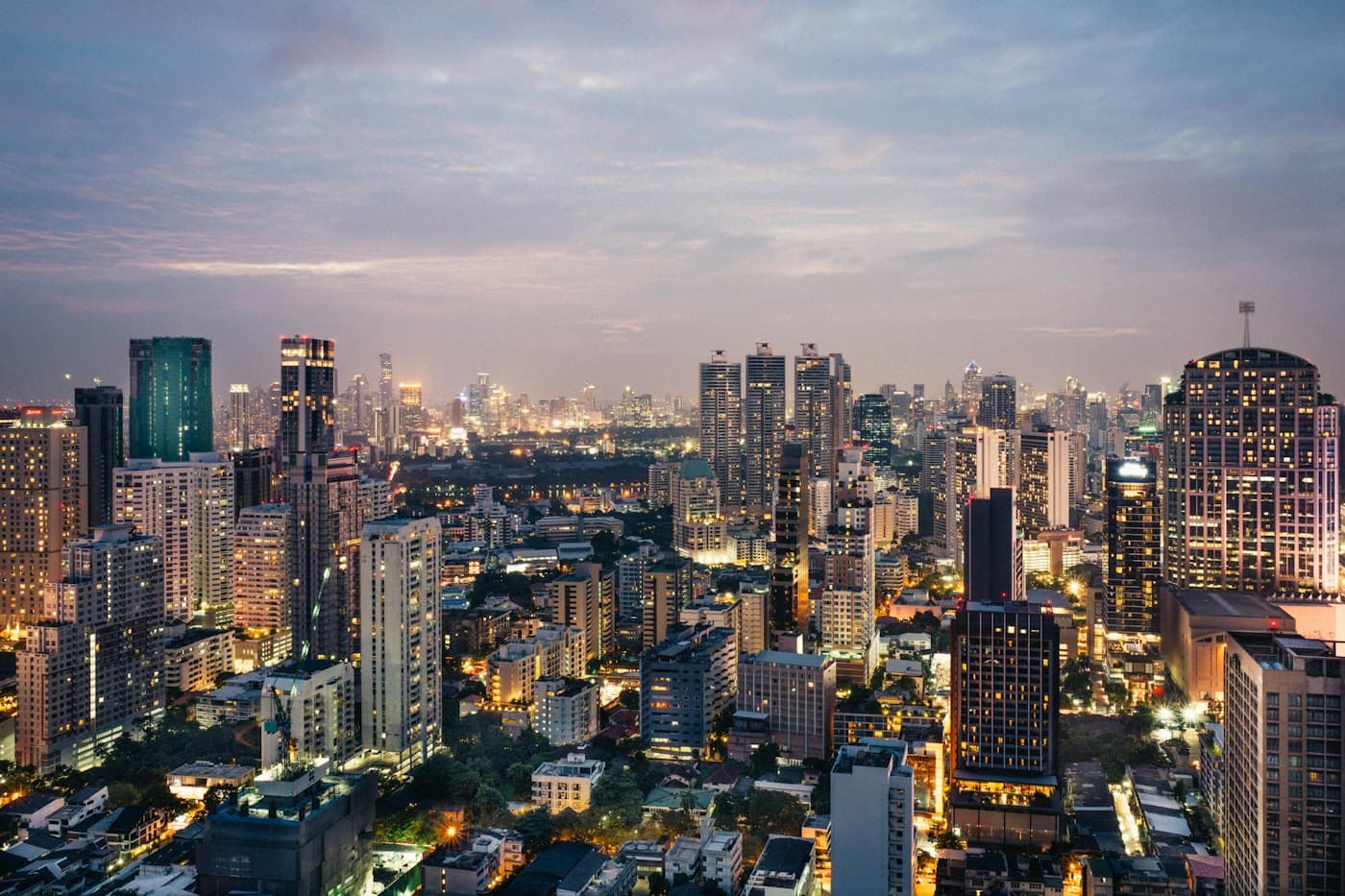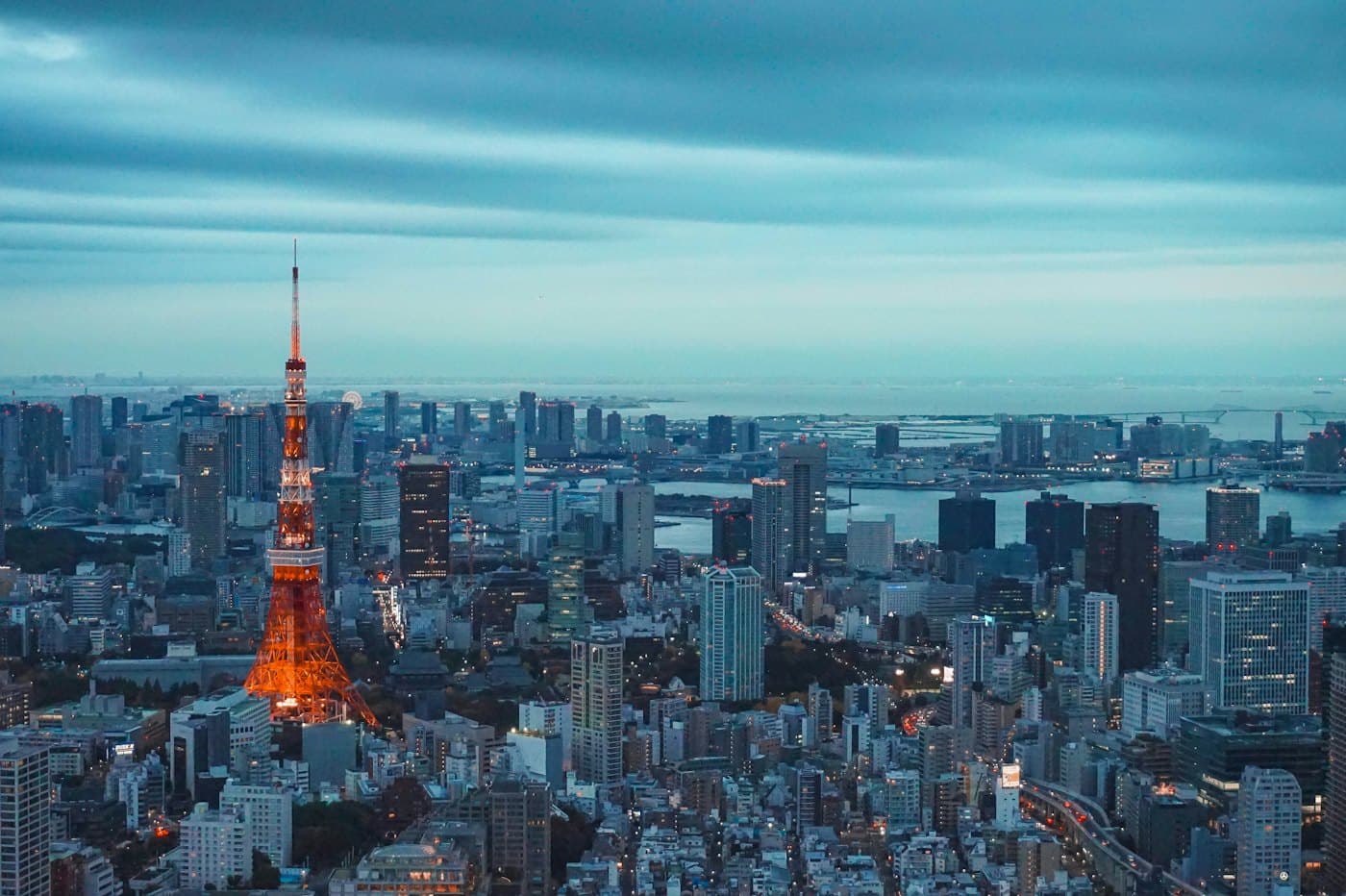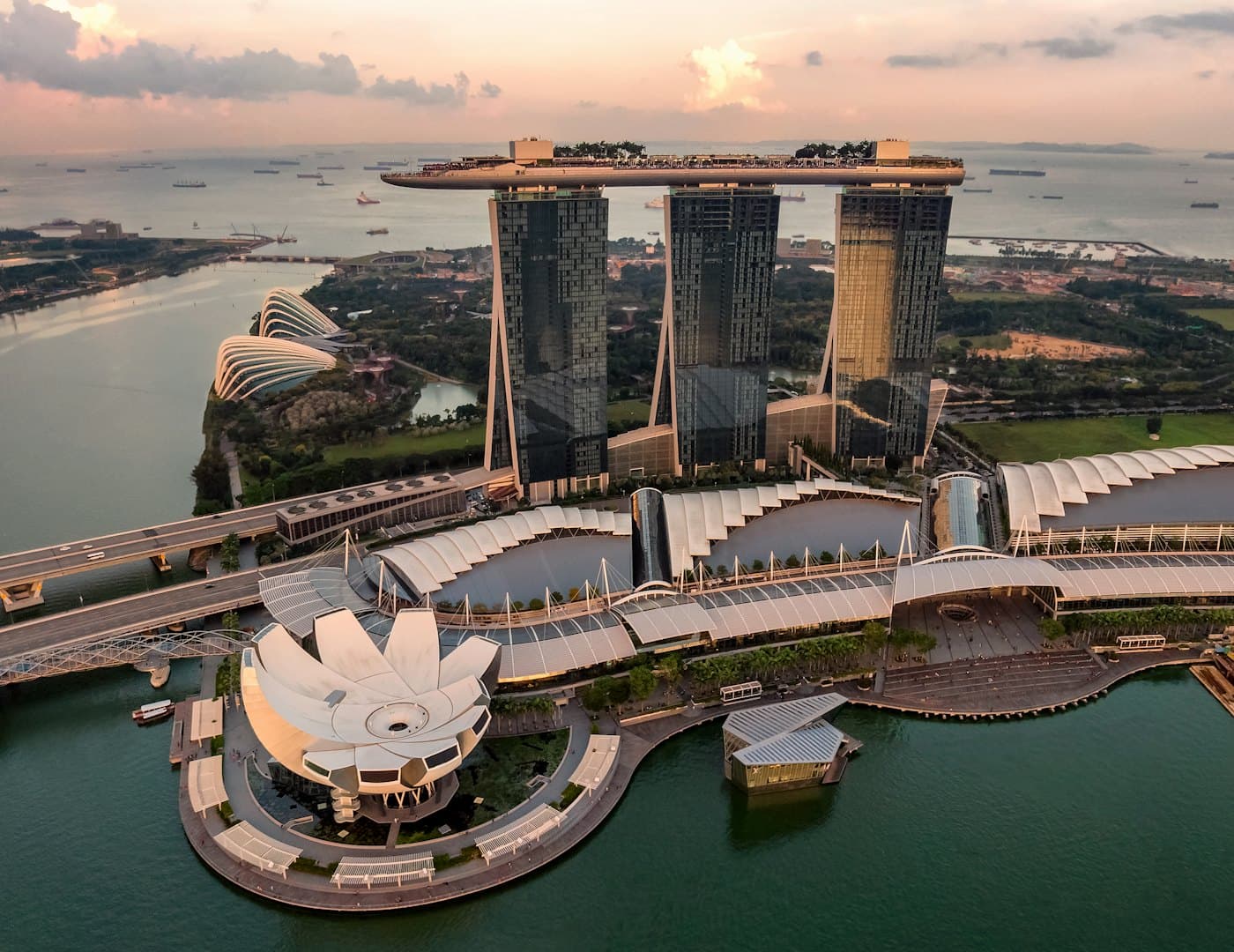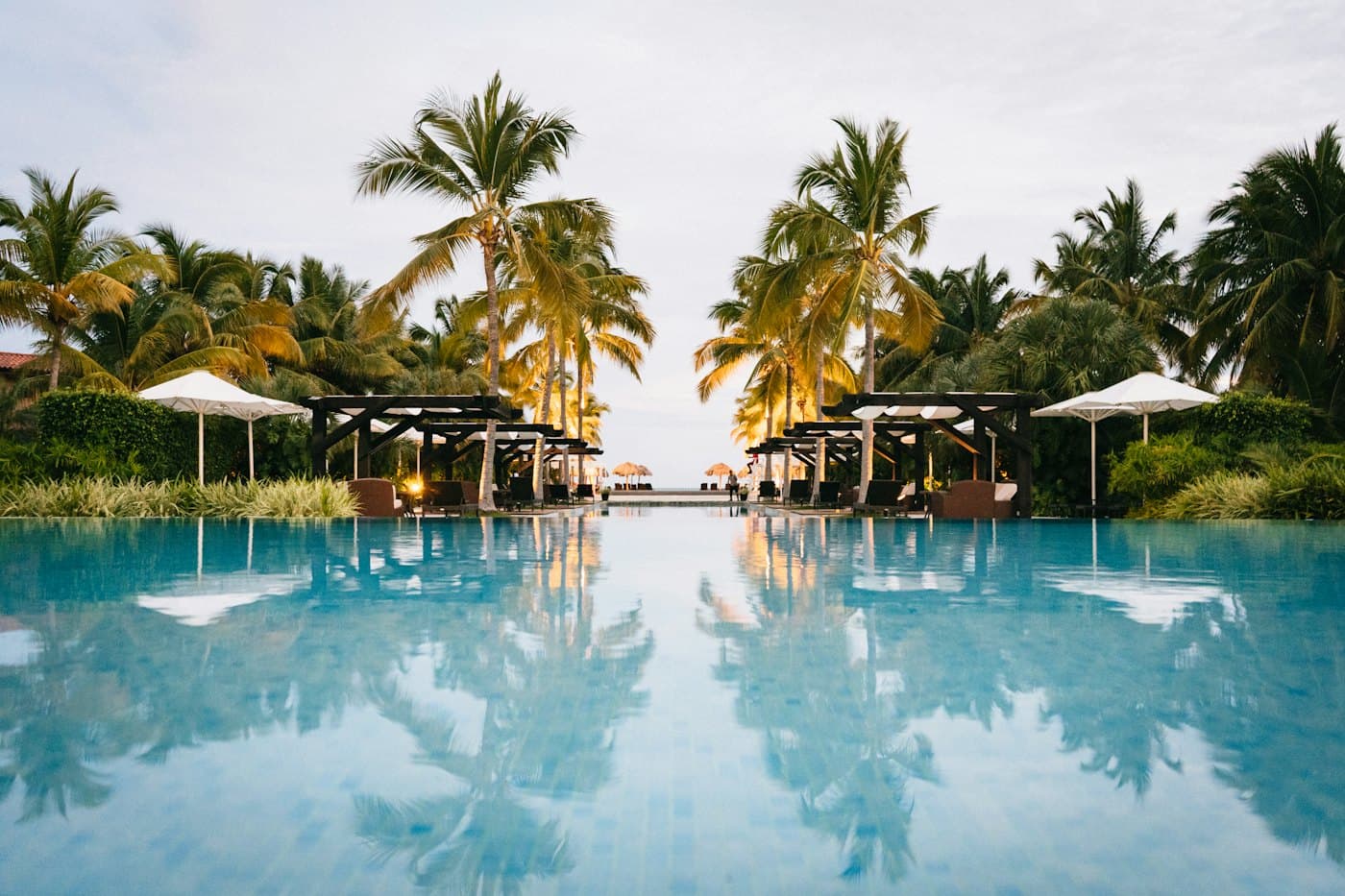
Park Hyatt Saigon
★★★★★ District 1
9.3
4,190 reviews
Colonial elegance beside the Opera House. District 1, Ho Chi Minh City.
poolspabusinessheritage
from US$230 / night
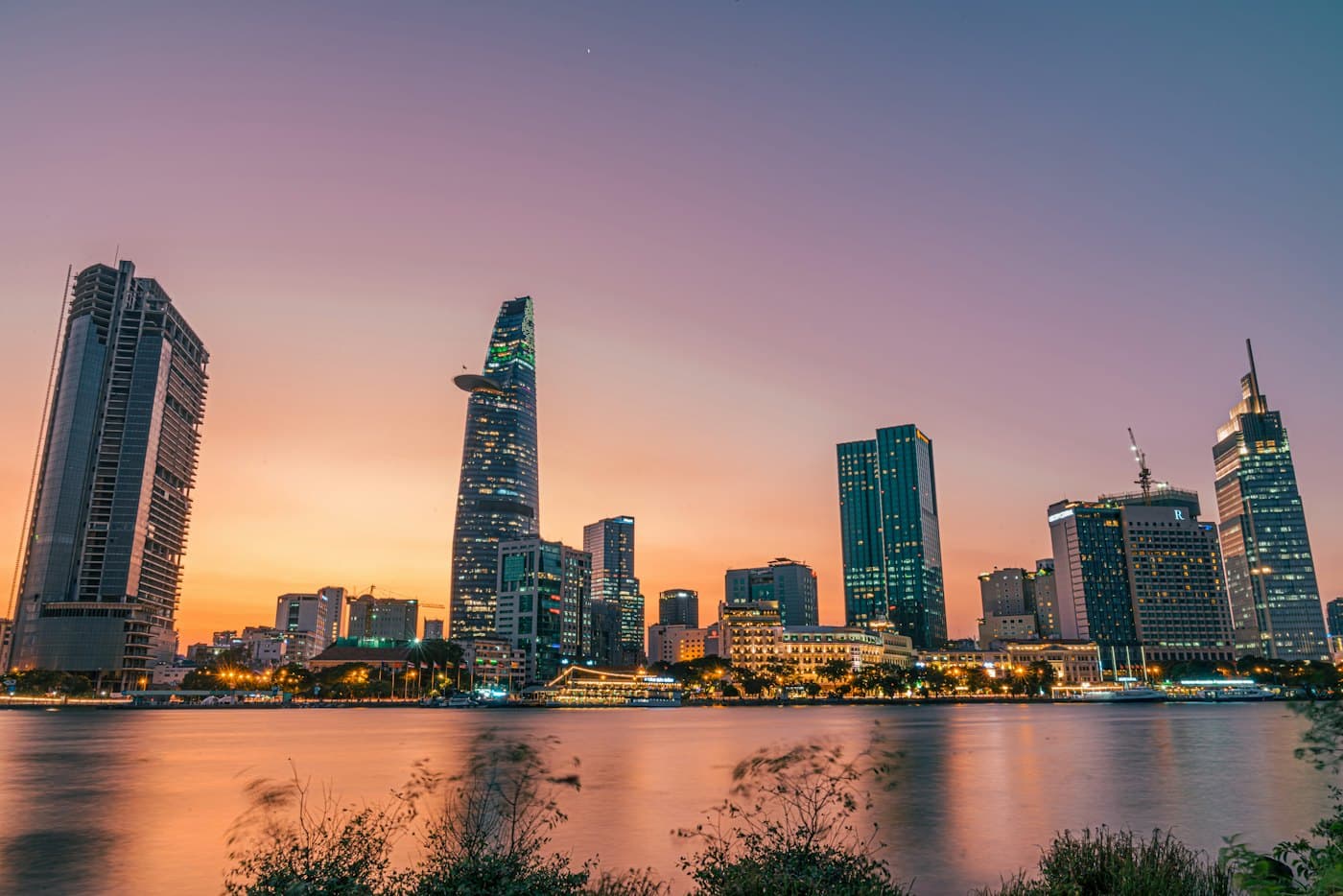
Vietnam
Motorbike energy, French-colonial charm and superb coffee
Best time: December to April is dry and sunny. The rainy season runs May to November, usually with afternoon downpours.
Getting around: Ride-hailing cars and bikes are inexpensive. The new metro line is useful for the north-east, and District 1 is walkable.
Ho Chi Minh City, still often called Saigon, is Vietnam's largest and busiest city. Motorbikes fill the streets, coffee shops sit on every corner, and French-colonial buildings stand beside modern towers. It is energetic from early morning, and it rewards visitors who walk, eat widely and stay open to the unexpected. Street food is a highlight at every price level, from a simple bowl of noodle soup on a plastic stool to refined tasting menus.
For hotels, it is a bargain. Five-star properties and stylish boutique hotels cost far less than comparable stays elsewhere in the region, and service is warm and attentive. Rooftop pools, river views and generous breakfast buffets are common even in the mid-range. This guide explains which district fits your trip, how to move around the city and how to get the best value from your stay.
District 1 is the centre of the city and the right choice for most first-time visitors. Landmarks, markets, rooftop bars and many restaurants are within walking distance, and hotels range from budget to luxury. The riverfront, the opera house, the cathedral and the main market are all close together. It is busy and loud, so ask for a higher floor or a room facing away from the road if you want a quieter night. Streets near the walking street can be lively late into the evening.
District 3 is just north of the centre, with tree-lined streets, cafes and a calmer feel. It is only a short ride from the main sights, and it often offers better value for a similar standard. You will find a good mix of boutique hotels, local restaurants and historic buildings, and fewer tourist crowds. It suits travellers who have visited before or who prefer to experience a more everyday side of the city, while still being a few minutes from District 1 by car.
Thao Dien, in District 2, is the riverside district popular with long-term residents, with stylish restaurants, bakeries, galleries and boutique shops. It has a quieter, leafier atmosphere and more international dining than other areas. It suits families, longer stays and travellers who want a relaxed local life and do not mind travelling to the centre. The journey to District 1 is short by car in light traffic but can be slow at peak times, so check your timing before you commit.
Pham Ngu Lao and the surrounding streets are the backpacker area, with the largest choice of hostels and cheap hotels, plus lively bars, cafes and travel agencies. It is noisy but very convenient, and it is well connected for buses and day tours. It is a good fit for solo travellers and budget visitors who want a social atmosphere. Choose a hotel on a side lane if you value sleep, because the main streets stay busy late into the night.
Cholon, the historic Chinese district to the west, is a good choice for travellers interested in temples, markets and traditional food, though it has fewer tourist hotels. Binh Thanh, to the north-east, offers modern hotels and serviced apartments that are popular with business travellers and longer stays. Both are some distance from the main sights, so they work best if you have a clear reason to be there and are happy to use ride-hailing.
Ranked by guest scores, location and overall value. Prices are indicative nightly rates.
Colonial elegance beside the Opera House. District 1, Ho Chi Minh City.
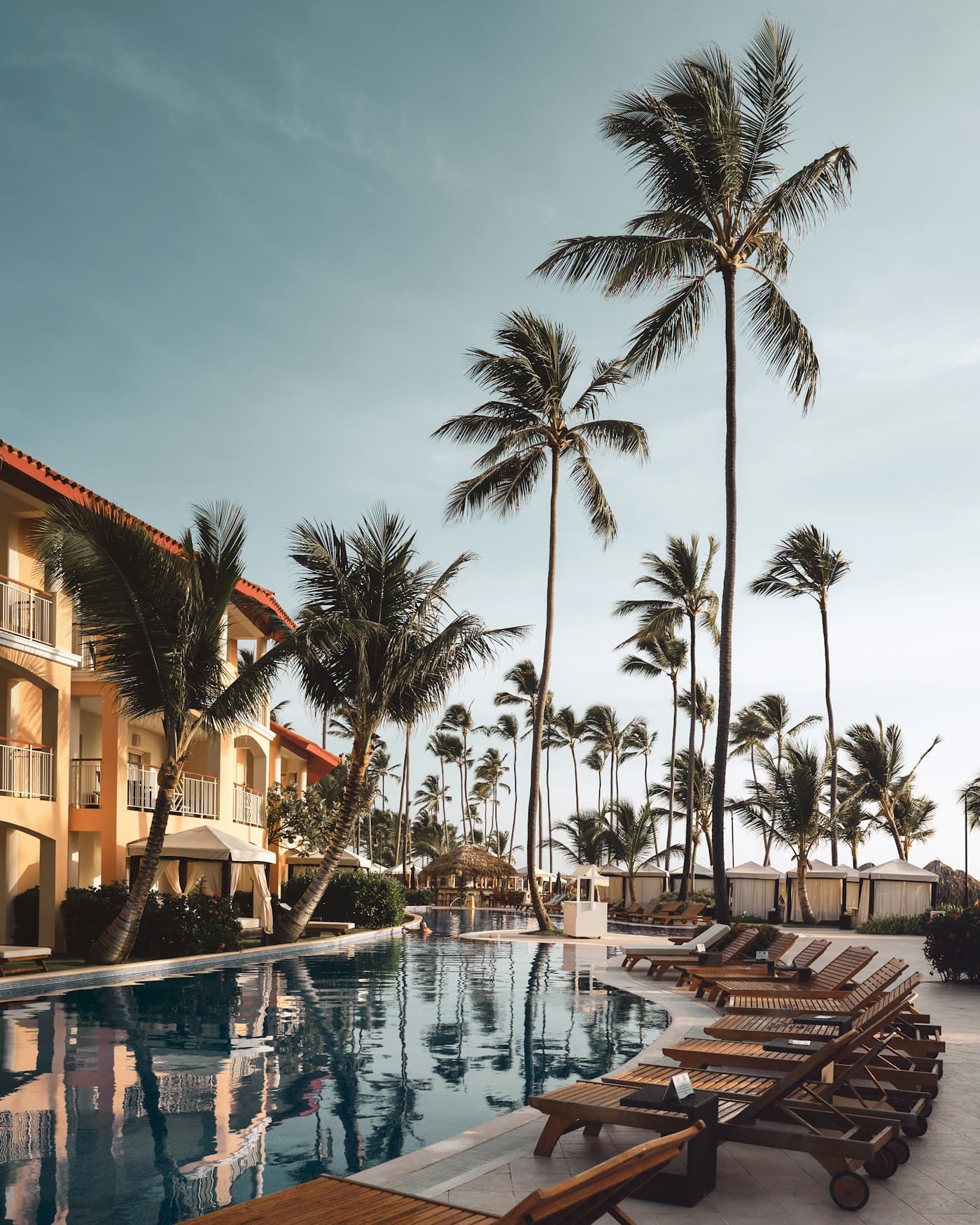
A rooftop pool and art-led interiors in a quiet district. District 3, Ho Chi Minh City.
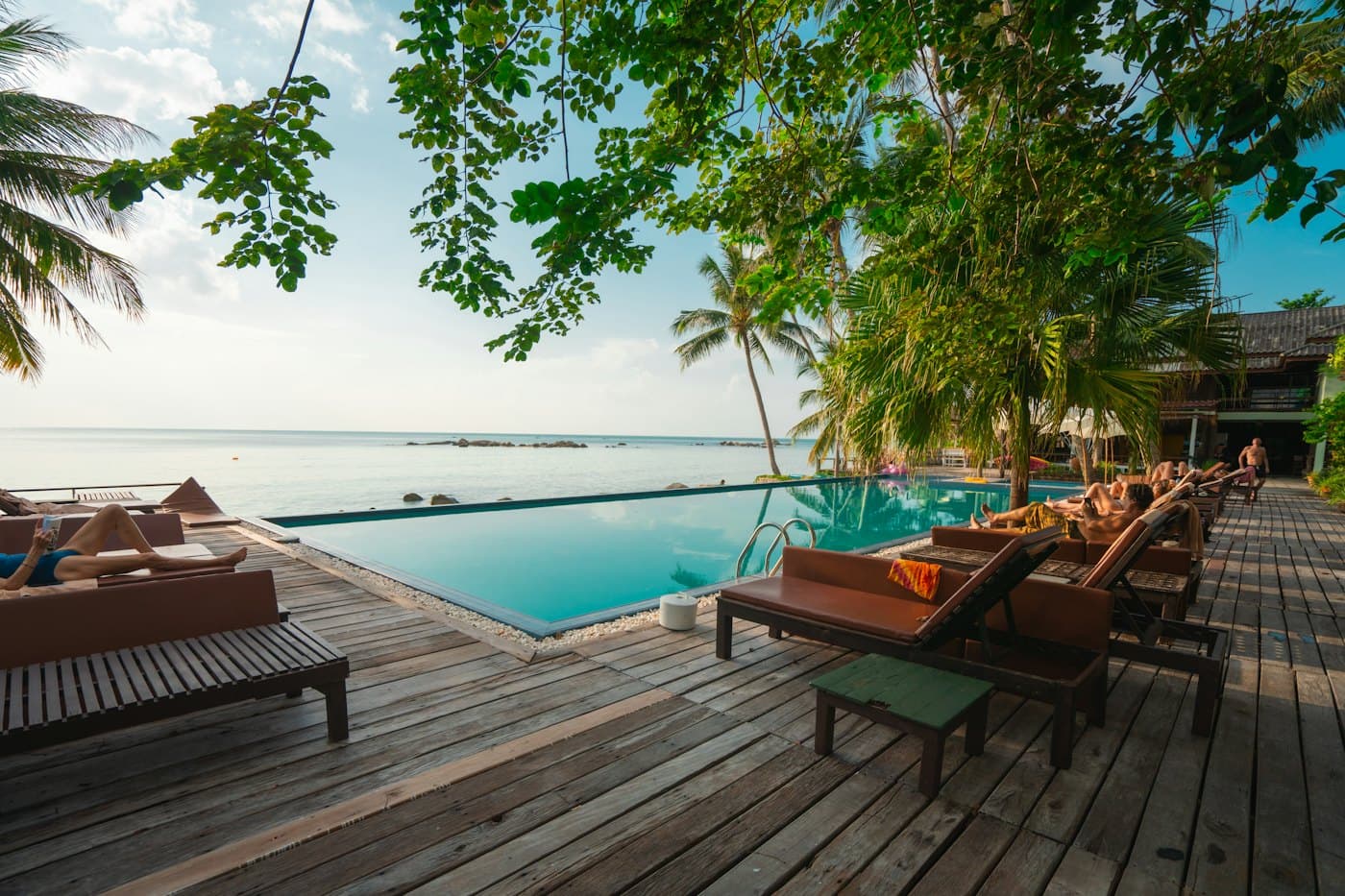
An art-deco river hotel dating to 1925. District 1, Ho Chi Minh City.
Central luxury with big rooms and a very good pool. District 1, Ho Chi Minh City.
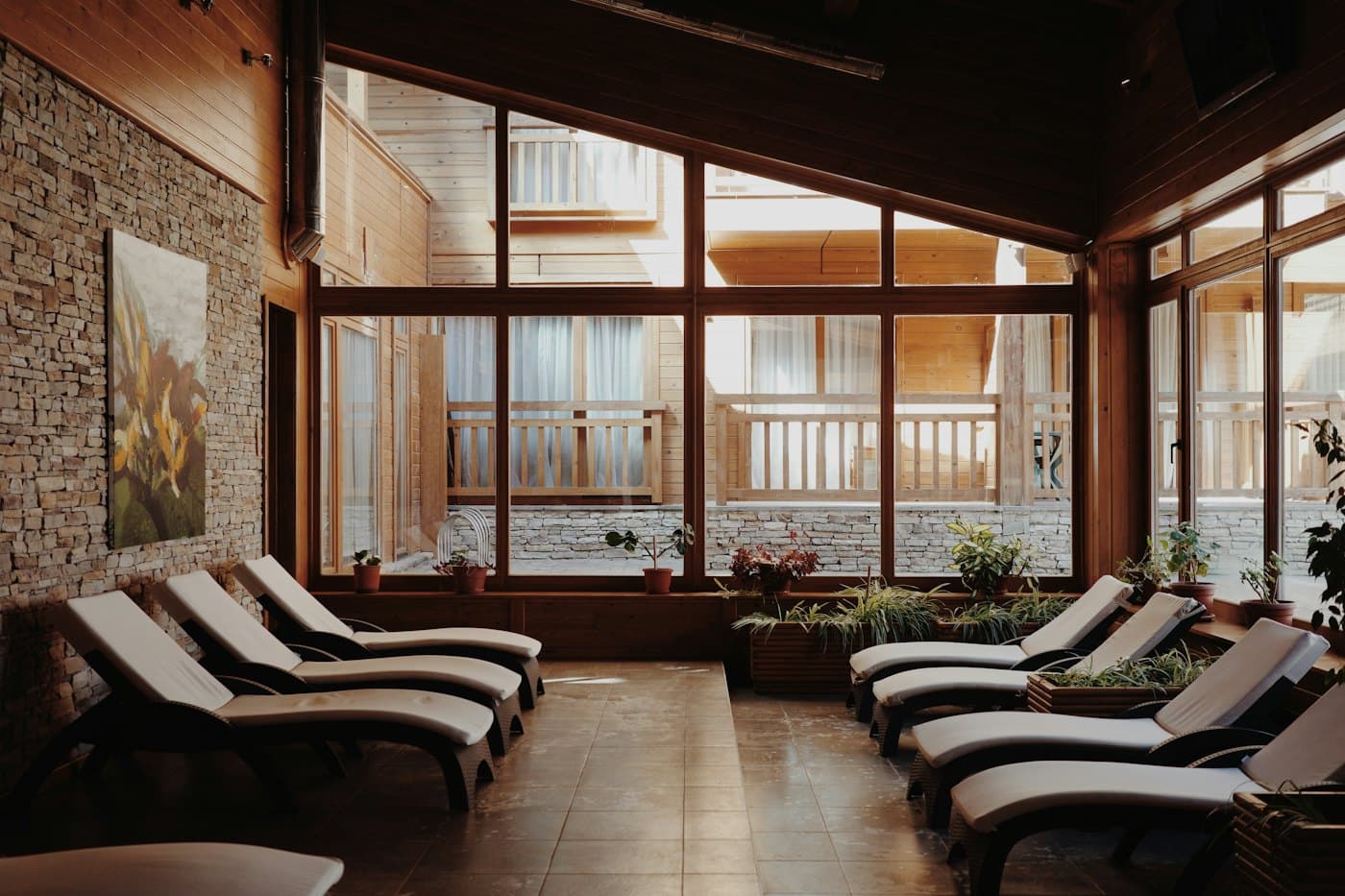
All-suite stay with spa treatments each day. District 1, Ho Chi Minh City.
Friendly staff and a rooftop bar close to Ben Thanh. District 1, Ho Chi Minh City.
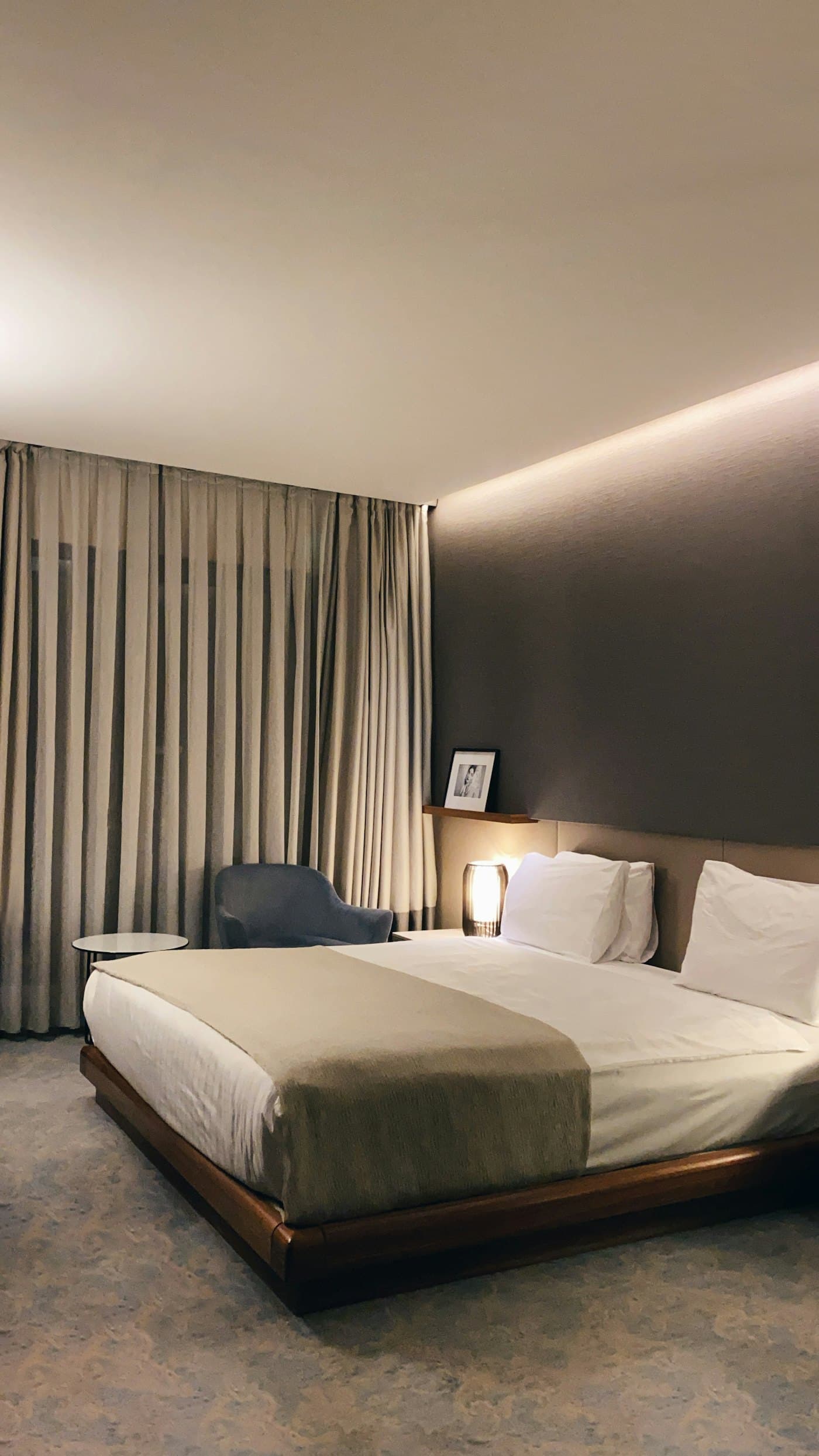
Calm rooms and a good breakfast at a modest price. District 3, Ho Chi Minh City.
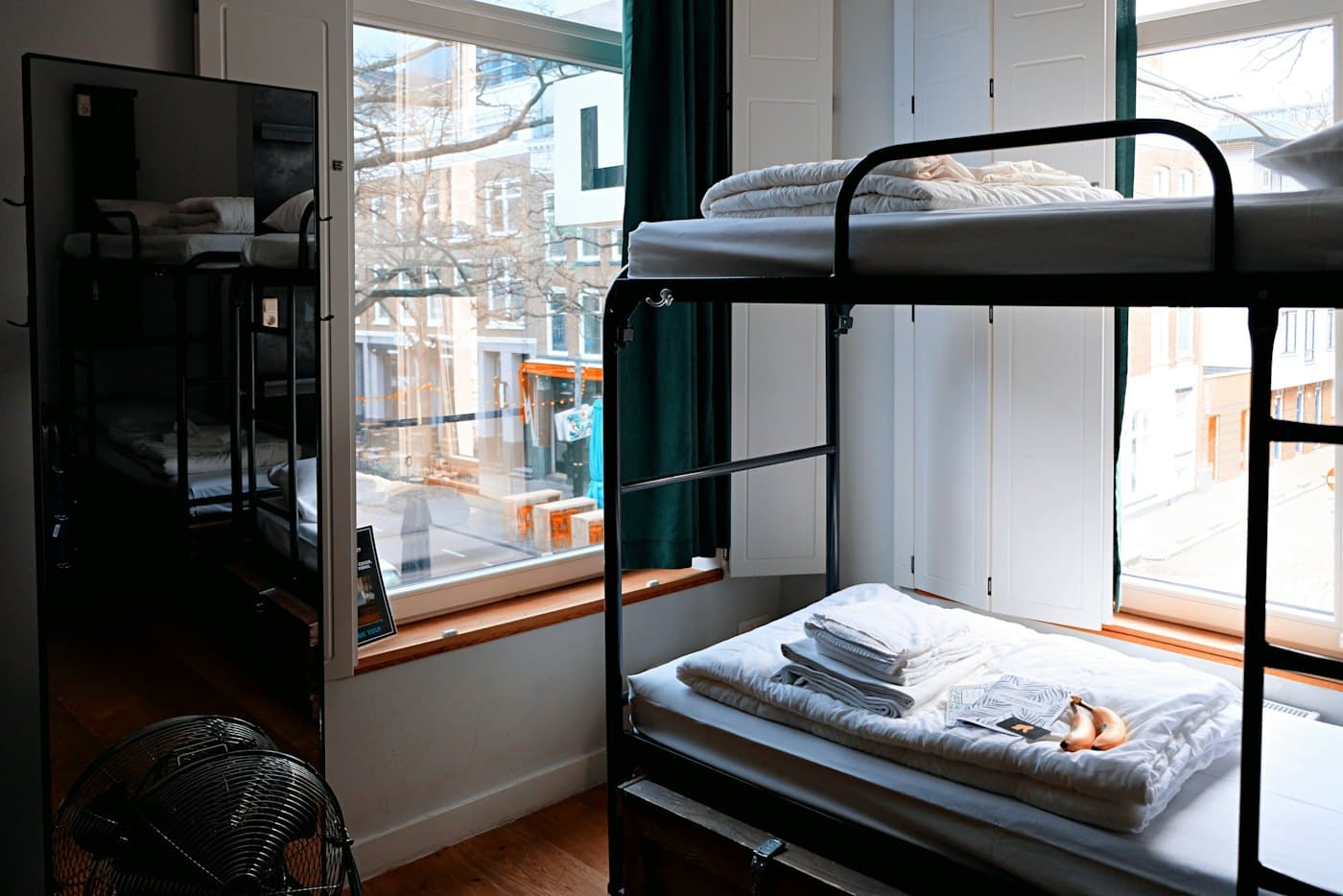
A social hostel with local hospitality. District 1, Ho Chi Minh City.
The dry season from December to April has the most comfortable weather, with sun and lower humidity, though March and April can be very hot. The rainy season from roughly May to November brings afternoon downpours that usually clear quickly, and the city is greener and quieter. Plan indoor activities, such as museums and cafes, for the rain, and carry a light rain jacket or buy a poncho from a street seller.
The Lunar New Year holiday, usually in late January or February, is a special time with decorations and flower displays, but many shops and restaurants close for several days and transport is very busy. If you want to see the city at its liveliest, visit just before the holiday. Check the dates when planning, because they change each year.
The international airport is close to the centre, and a taxi or ride-hailing car is the easiest way into town. Use a licensed taxi or an app, and confirm the fare or the meter before you set off. Your hotel can also arrange a transfer, which is a good option after a late arrival.
In the city, ride-hailing cars and motorbikes are inexpensive and easy to use through an app. A metro line serves part of the city, which helps for specific routes, but District 1 itself is best explored on foot. Crossing the street takes confidence: walk steadily at an even pace and let the traffic flow around you. Do not run or stop suddenly. Walking is pleasant in the early morning and evening, while the midday heat is best spent in a cafe or museum.
Hostels and basic hotels often start around US$10 to US$25 a night, comfortable mid-range hotels from about US$40 to US$90, and five-star hotels from roughly US$110 upward. These are indicative ranges that change with the season and events. Rooms in District 1 tend to cost more than similar rooms in District 3 or Binh Thanh.
Stay in or near District 1 for convenience. Check whether the hotel is in an alley, which can be quieter, or on a main road, which can be noisy. Many hotels include breakfast and can arrange airport transfers and day tours to places such as the Mekong Delta and the Cu Chi Tunnels. Read recent reviews for comments about cleanliness and service, and check whether the room has a window, because some budget rooms do not. A rooftop pool is a welcome bonus in the heat.
Day 1: Begin in the historic heart of District 1. Walk to the cathedral and the grand old post office next door, then continue to the war museum, which gives a thoughtful look at the country's recent history. Have a banh mi or a bowl of noodles for lunch, then wander through the main market in the afternoon. At sunset, go up to a rooftop bar for views over the river and the skyline. Finish with dinner on one of the lively food streets, or stroll along the pedestrian street where crowds gather in the evening. Wear comfortable shoes and carry water throughout the day.
Day 2: Take a full-day trip out of the city. A tour to the Mekong Delta takes you by boat through small canals, to fruit orchards and local workshops where you can taste coconut candy and tropical fruit. Alternatively, visit the underground tunnels, where you can see how people lived during the conflict. Leave early, because the roads out of town are slow, and bring sun protection and insect repellent. Most tours include lunch and a guide. Back in the city, treat yourself to a massage and a relaxed dinner, and check your hotel's recommendations for good local restaurants.
Day 3: Explore the city beyond the centre. In the morning, visit Cholon to see the old temples and the busy wholesale markets, then try the local dishes there. In the afternoon, cross to Thao Dien for a walk along the riverside, a coffee in one of the stylish cafes and some browsing in small galleries and shops. Alternatively, take a cooking class to learn to make fresh spring rolls and noodle dishes. Return to District 1 for a last evening stroll, a final bowl of pho and some souvenir shopping before you pack for your departure.
Couples: A boutique hotel or five-star property in District 1 with river or skyline views is a romantic base. Choose one with a rooftop pool or a good bar, and book a room on a high floor for a quieter stay.
Families: Look for a larger hotel with a pool, family rooms and a generous breakfast buffet. Thao Dien offers a calmer, leafier setting, while District 1 hotels put the main sights within easy reach of children.
Solo travellers: Pham Ngu Lao has the most social hostels and easy access to tours, and District 1 is walkable and lively. Choose a well-reviewed property with a communal area and a central, well-lit address.
Budget travellers: Pham Ngu Lao and the lanes around it have the best choice of cheap rooms and dorms, often with breakfast. District 3 offers simple hotels and guesthouses at slightly lower prices in a quieter setting.
Business travellers: District 1 puts you near offices and meeting venues, with reliable service and fast internet. Binh Thanh and Thao Dien suit longer stays with serviced apartments and a calmer environment away from the downtown traffic.
Visit in the rainy season, when hotel rates are often lower and showers rarely last long. Choose District 3 or a neighbouring area instead of the very centre, because rooms are cheaper and a ride into District 1 costs little. Look for rates that include breakfast, and use the free extras many hotels offer, such as luggage storage and basic maps. Eat at street stalls and local restaurants, where a filling meal costs a fraction of tourist restaurant prices. Use a ride-hailing app rather than street taxis, since fares are shown up front. Book day tours through your hotel or a well-reviewed agency, and compare a few options, because shared tours can cost much less than private ones.
The city is generally safe for visitors, but bag snatching from passing motorbikes does happen. Carry your phone and bag on the side away from the road, and avoid holding your phone near the curb. Use a cross-body bag with a zip, and keep valuables in the hotel safe. Be wary of overly friendly strangers offering unrequested help or unusual deals, and agree prices before you accept services.
Dress modestly when visiting temples and pagodas, covering shoulders and knees, and remove your shoes where asked. Remember that tipping is appreciated but not required. Cards are widely accepted in hotels and larger restaurants, but carry some local cash for markets and street food. Drink bottled or filtered water, and choose busy stalls with fresh food. Use sunscreen and drink plenty of fluids in the heat. Check the entry rules for your nationality well before you travel, and keep a copy of your passport details.
District 1 for most first-time visitors, because the main sights, markets, food and nightlife are within walking distance of each other. District 3 is a calmer alternative with good value, and Thao Dien suits longer stays. Pham Ngu Lao is the best area for backpackers on a tight budget.
Two to three days is enough for the main sights in the city, plus an extra day for a Mekong Delta or tunnel trip. If you enjoy food, markets and cafes, add another day to explore at a slower pace. Many visitors also use the city as a base for onward travel.
Generally yes, but watch for bag snatching from passing motorbikes. Keep phones and bags on the side away from the road, and use a cross-body bag. Take care when crossing the street, use licensed taxis or an app, and store valuables in your hotel safe.
Compared with many Asian cities, yes. Luxury hotels offer especially strong value, with pools, spas and large breakfast spreads at prices far below those in other major regional cities. Budget rooms are also inexpensive, though prices rise during holidays and major events.
Cards are widely accepted in hotels and larger restaurants, but cash is useful for markets, street food, small shops and short rides. Cash machines are easy to find in the centre. Carry small notes, and keep your cash in more than one place for safety.
Pack light, breathable clothing, comfortable walking shoes, sun protection and a compact umbrella or rain jacket. Bring a light layer, because indoor spaces are often cooled strongly. Carry modest clothing for temples, and a small day bag with a zip for your phone and valuables.
Within the city, independent exploring is easy because many sights are close together and rides are inexpensive. For the Mekong Delta and the tunnels, a guided day trip is usually simpler, since transport and timing are arranged for you. Your hotel can suggest reliable operators.