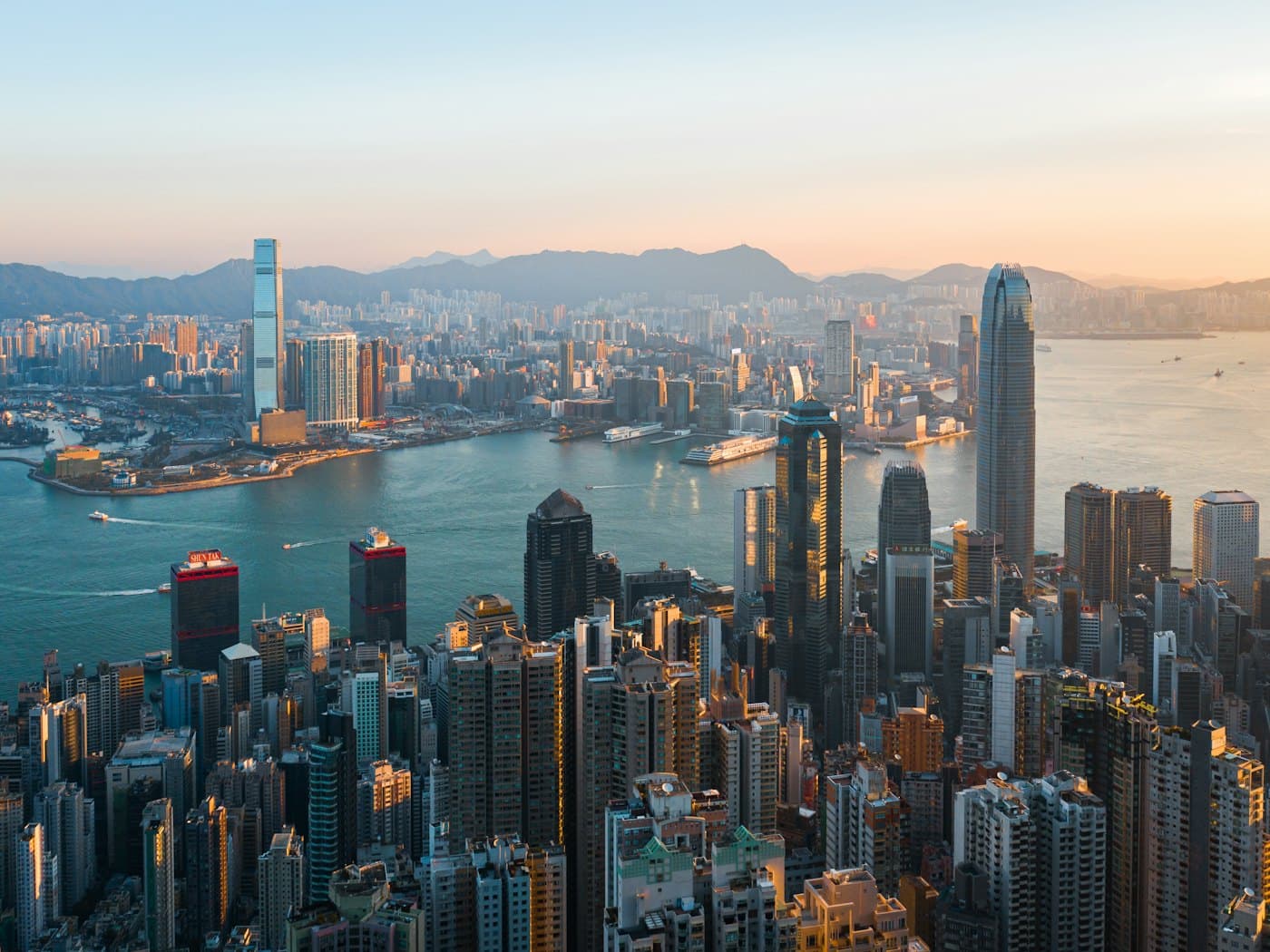
A Long Weekend in Hong Kong
15 January 2026 · 5 min read
Skyline views, ferries, temples and dim sum: a practical long-weekend plan for Hong Kong with hotel area tips.
Hong Kong packs an astonishing amount into a small space. Steep green hills meet dense towers, old tram lines run beside glass skyscrapers, and a short ferry ride can take you from a business district to a quiet fishing village feel. A long weekend gives you enough time to see the main sights, eat extremely well and still have a rest. This plan assumes you have three or four days and want a balance of skyline, culture, markets and a little nature. It also keeps the walking sensible, because the city is hilly and humid for much of the year, and good planning makes the difference between a delightful trip and an exhausting one.
Where to base yourself
The two classic bases are Hong Kong Island and Kowloon. Hong Kong Island, especially Central, Sheung Wan and Wan Chai, puts you close to business districts, restaurants, trams and the ferry piers. Kowloon, particularly Tsim Sha Tsui and Jordan, offers excellent value, busy street life, famous markets and views across the harbour. Both are connected by the MTR subway and by the famous harbour ferry. Rooms are typically compact, so prioritise location and reviews over size. Choose a hotel within a short walk of an MTR exit, since stations are the backbone of getting around, and avoid steep uphill walks if you travel with heavy luggage.
Day one: Central and the Peak
Start in Central, wandering past historic buildings, glass towers and busy street markets. Ride the old double-decker tram through the island for an inexpensive and atmospheric tour. Later in the day, visit Victoria Peak, which offers the classic skyline view. You can reach it by the historic peak tram or by bus, and queues can be long at midday, so consider going in the late afternoon and staying for sunset and the evening lights. Choose a clear day if possible, as haze or cloud can hide the view. After descending, have dinner in Central or Sheung Wan, where small restaurants line the steep lanes and offer everything from noodles to modern cuisine.
Day two: Kowloon street life and the harbour
Cross the harbour on the Star Ferry, a short, scenic and very affordable ride that remains one of the city's great experiences. In Tsim Sha Tsui, walk the waterfront promenade and enjoy views back toward the island. Then head into Mong Kok, where lively street markets sell clothing, snacks, flowers, birds and goldfish in separate themed areas. Go in the afternoon when stalls are busy, and keep your bag close in crowds. Try street snacks in moderation, and save room for an evening meal. At night, return to the waterfront if the weather is clear, as the harbour views after dark are among the most memorable parts of any visit.
Day three: temples, hills and an outlying island
Use your third day to slow down. Visit a temple in the city, such as one of the incense-filled halls tucked between apartment blocks, and observe quietly. Then take a ferry to an outlying island, where traffic is limited and the pace is gentler. Walk coastal paths, eat fresh seafood in a village restaurant and enjoy sea air. Alternatively, join a hike on a country trail, where hills drop to the sea within a short bus ride of the centre. Carry water, sun protection and suitable shoes. Check ferry times for the return so you are not stranded, especially in the evening when schedules thin.
What to eat
Food is a main reason to visit. Dim sum is traditionally eaten in the morning and early afternoon, with small steamed and fried dishes served in bamboo baskets and shared with tea. Local diners known as cha chaan teng serve milk tea, toast and baked rice dishes at friendly prices. Noodle shops, roast meat counters and egg waffles from street stalls fill the gaps. Many popular restaurants are crowded and tables are shared, so be patient and flexible. Learn a few polite phrases, but note that menus often have English or pictures. If a place has a queue of locals, it is usually worth the wait.
Moving around the city
The MTR is clean, frequent and covers most areas you will visit. A rechargeable smart card or contactless payment makes travel simple. Trams are slow but charming and cheap, and buses reach hillside and coastal spots the trains cannot. Ferries add scenery to everyday transport. Taxis are plentiful, though traffic can be heavy, and they are best for late nights or short hops with luggage. Many sights are connected by covered walkways and escalators, especially on Hong Kong Island, which helps in rain or heat. Follow signs carefully in large stations, because exit letters and numbers determine which street you emerge onto.
Mistakes to avoid
Do not leave the Peak to chance in poor weather, as visibility changes quickly and you may want to swap days. Avoid overbooking, because the combination of hills, heat and crowds slows you down more than expected. Do not skip checking the season: summers are hot and humid with the possibility of heavy rain and typhoon warnings, while cooler months are generally more comfortable for walking. Be careful with tourist-focused restaurants in the busiest spots, where quality varies. And do not assume every shop accepts foreign cards, so keep a little local cash for small stalls, ferries and snack bars.
Choosing your hotel area
Choose Central or Sheung Wan if you value restaurants, history and nightlife, and accept a higher price for a polished, walkable base. Wan Chai and Causeway Bay suit shoppers and food lovers, with plenty of mid-range choices. Tsim Sha Tsui is ideal for first-timers who want harbour views, museums and easy ferry access, while Mong Kok and Jordan reward travellers who prefer an energetic local feel and lower prices. Compare guest reviews on noise, since busy areas can be loud, and check the distance to the nearest MTR exit. A comparison page lets you sort by area and rating, and free cancellation protects your plans.
Ready to book your stay in Hong Kong?
Compare hotels, areas and indicative prices.
Written by the Hoko Travel editorial team. Details such as prices and opening hours can change, so please check official sources before you travel.
Keep reading
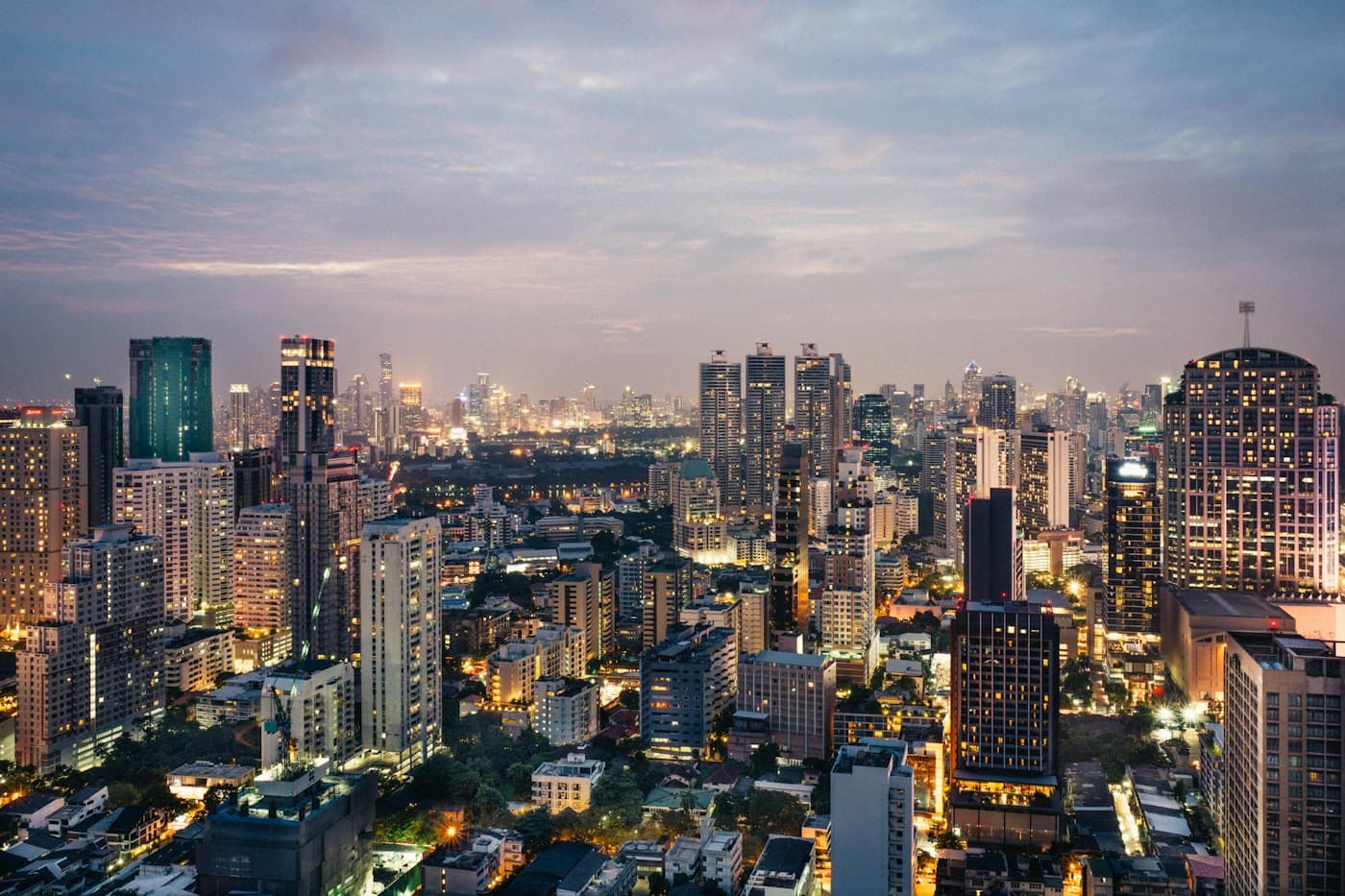
Itineraries · 4 min read
Three Days in Bangkok: An Easy First-Timer Itinerary
Temples, river life and one unforgettable night market, in a plan that does not exhaust you.
12 September 2026
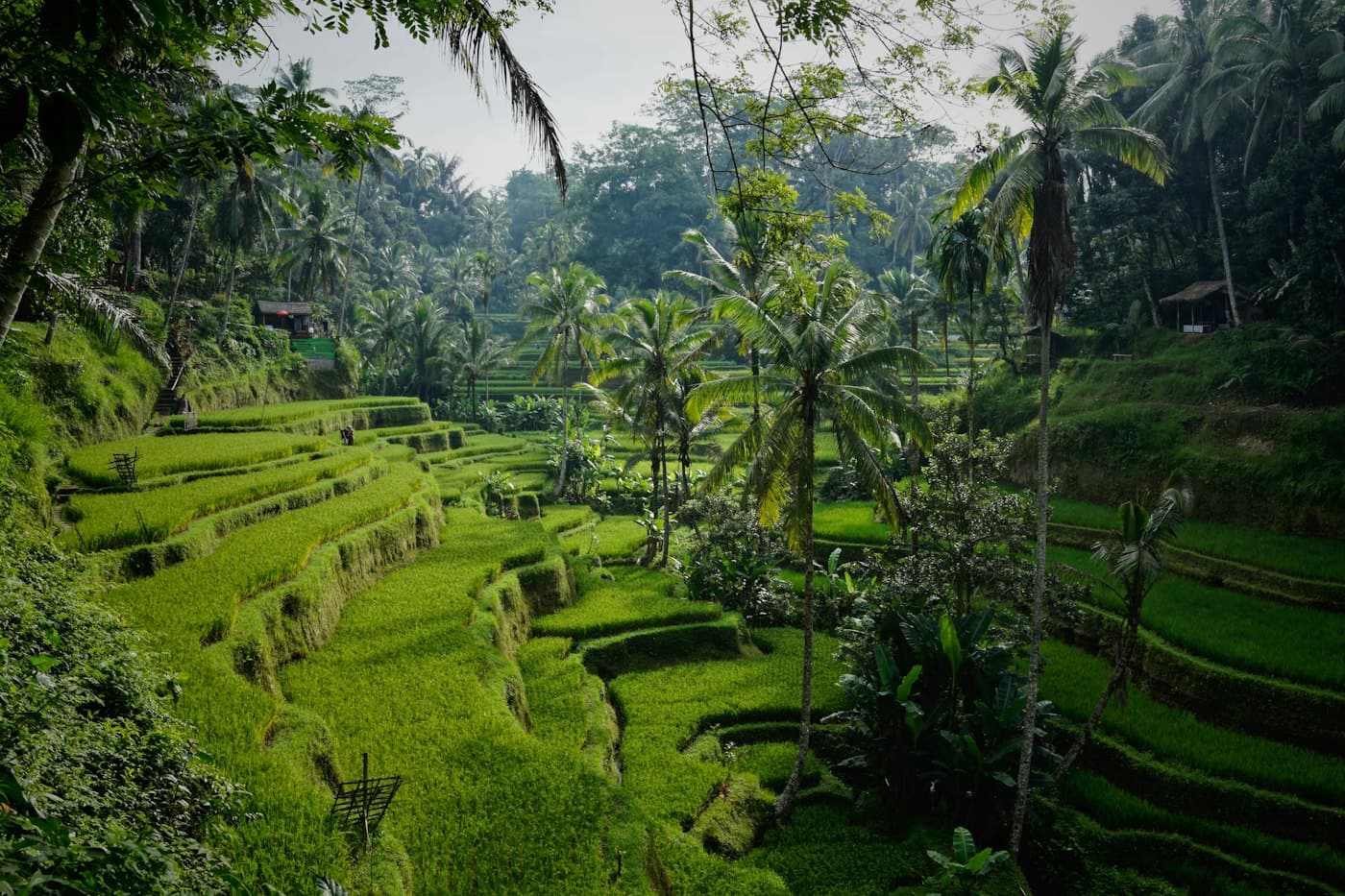
Itineraries · 4 min read
A Slow Week in Bali: Beach, Jungle and Cliffs
Split your time across three bases and you will see three completely different sides of the island.
25 August 2026
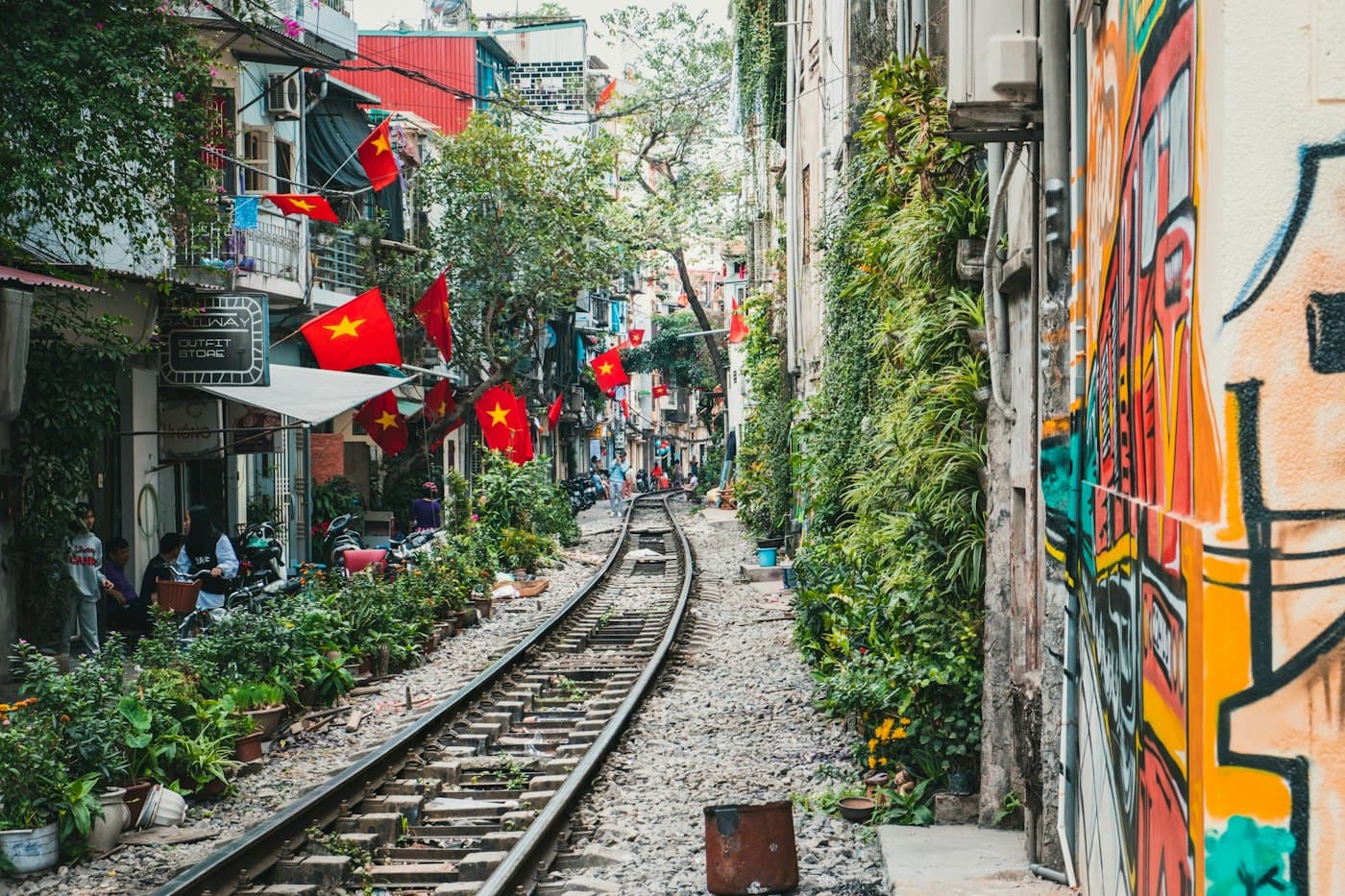
Itineraries · 4 min read
10 Days in Vietnam: Hanoi to Ho Chi Minh City
A classic north-to-south route with hotel tips for each stop, from the Old Quarter to the Mekong.
18 June 2026