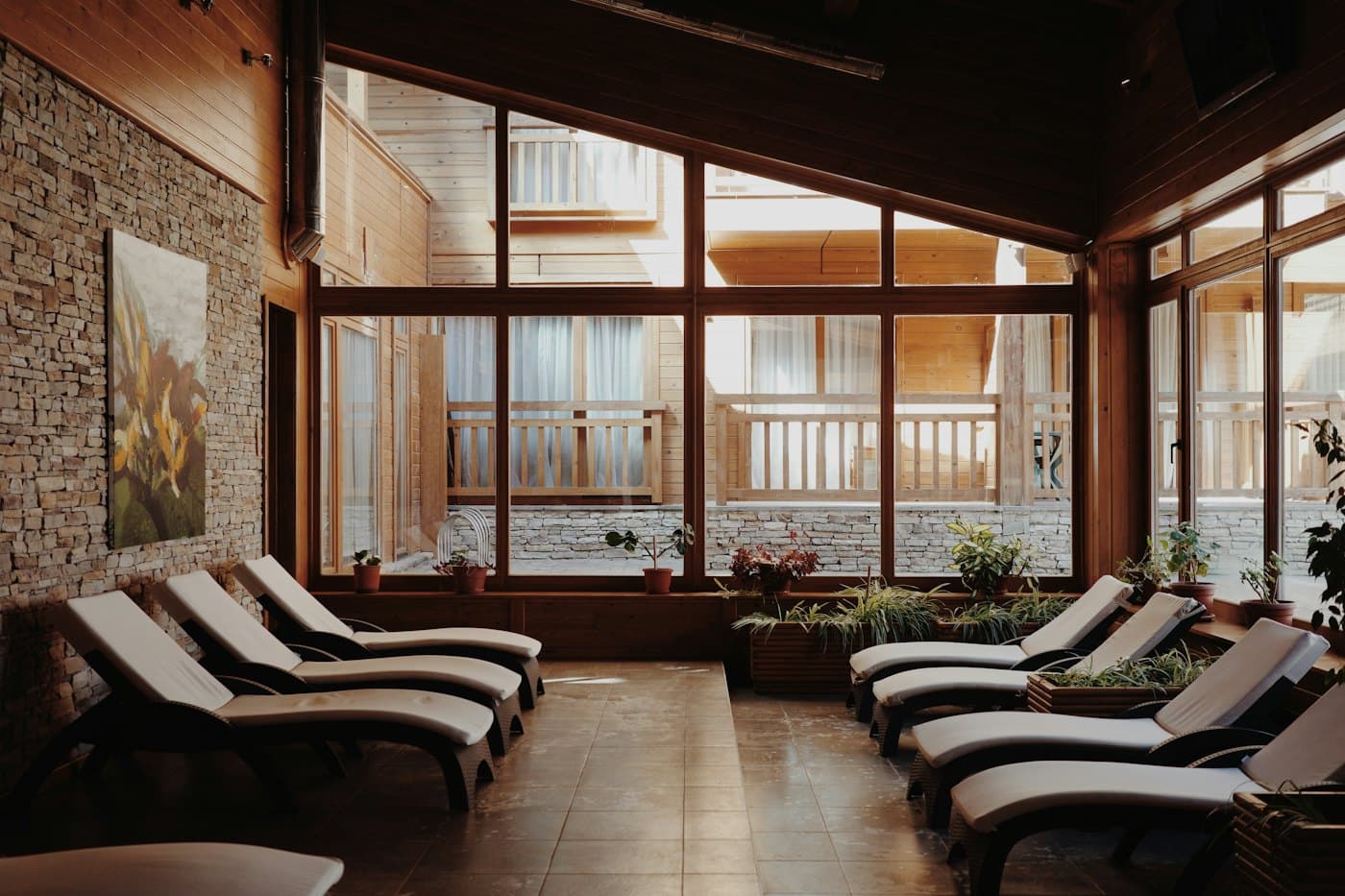
Beating Jet Lag on Your Arrival in Asia
30 June 2026 · 4 min read
Practical ways to reduce jet lag on a long flight to Asia, from pre-trip routines to your first days there.
Flying to Asia often means crossing many time zones, and the body clock needs time to catch up. Jet lag can bring tiredness, poor sleep, headaches, low appetite and trouble concentrating, which is frustrating when you have just arrived and want to explore. Nobody can remove it completely, but a few habits before, during and after the flight can reduce the effect and shorten the recovery. This guide gives general suggestions. If you have a medical condition or take regular medication, ask a doctor for advice that fits you.
Understand what jet lag is
Jet lag happens when your internal clock is out of step with the local day and night. Travelling east is often harder for many people than travelling west, because it means going to sleep earlier than your body expects. The effect depends on how many time zones you cross, your age, your sleep habits and how well you rest before departure. Most people adjust gradually, often at a rate of around a day or less per time zone, though this varies a great deal between individuals.
Prepare before you fly
Start getting enough sleep in the days before departure, because arriving already tired makes everything harder. If your schedule allows, shift your sleep and meal times gradually towards your destination's time, by an hour or so each day. Plan your packing and travel to the airport early so you are not rushing. Choose flights that arrive at a time that suits you, such as an evening arrival that lets you sleep soon after landing, or a morning arrival if you can handle a day of daylight activity.
Set your clock when you board
As soon as you get on the plane, change your watch and phone to the destination time and start living by it. If it is night at your destination, try to sleep, using an eye mask, earplugs, a neck pillow and a light layer for warmth. If it is daytime there, stay awake with a film, a book or a walk along the aisle. Having a plan reduces the mental struggle of working out whether you should be sleeping, and it starts your body clock adjusting early.
Care for your body in the air
Cabin air is dry, so drink water regularly throughout the flight. Limit alcohol and caffeine, which can disturb sleep and increase dehydration. Eat light meals at sensible times according to your destination schedule. Move around when it is safe, stretch your legs and ankles, and walk the aisle now and then to help circulation. Wear loose, comfortable clothing and consider compression socks if your doctor recommends them. Choose a seat that suits you, such as an aisle seat for easy movement or a window seat for leaning against.
Use light on arrival
Light is the strongest signal for your body clock. After landing, get outside in daylight as much as you can at local daytime, even if you feel tired. A walk, a coffee on a terrace or a short sightseeing stroll will help you adjust. Avoid going to bed too early, as sleeping through the day can prolong jet lag. If you must nap, keep it short, around twenty to thirty minutes, and set an alarm. In the evening, dim the lights and avoid bright screens before bedtime.
Choose a hotel that helps you sleep
Good sleep makes a big difference. When booking, look for rooms with blackout curtains, a quiet location, comfortable beds and working air conditioning. Read recent reviews for comments on noise, particularly from street traffic or nightlife. Ask whether early check-in is possible, or at least luggage storage so you can freshen up after landing. A flexible check-in arrangement can help if you arrive early in the morning and want to rest. Use a do-not-disturb sign to avoid unexpected interruptions.
Plan an easy first day or two
Avoid scheduling demanding activities, early tours or important meetings on your first day. Instead, plan a light walk, a meal near your hotel and an early night at a reasonable local time. Keep meals regular and have your main meal at local mealtimes. Drink plenty of water, and be careful with heavy alcohol, which disrupts sleep. Allow a couple of relaxed days before you take long journeys or do anything risky, and be patient with yourself while the body adapts.
Other ideas and when to seek advice
Some people consider supplements or sleep aids, but their suitability depends on personal health, so discuss them with a doctor or pharmacist before use. Be careful when mixing any medicine with alcohol. If you feel very unwell, or your sleep problems persist well beyond the first week, seek medical advice. Remember that tiredness is normal and temporary. With good preparation, smart use of daylight and a relaxed first day, you can start enjoying Asia sooner and make the most of every moment of your trip.
Written by the Hoko Travel editorial team. Details such as prices and opening hours can change, so please check official sources before you travel.
Keep reading

Tips · 4 min read
How to Read Hotel Reviews Without Getting Misled
A score of 8.8 can mean very different things. Learn what to look for beyond the headline number.
30 September 2026

Tips · 4 min read
Japan Hotel Etiquette: What First-Time Visitors Should Know
Slippers, shared baths, quiet hours and tipping: a short guide to staying politely in Japan.
8 August 2026
Tips · 4 min read
How Hotel Price Comparison Works (and How to Get the Best Rate)
Why prices differ between sites, what 'from' prices mean, and a simple routine for booking at a fair rate.
2 July 2026