Three Days in Singapore Without Overspending
10 January 2026 · 5 min read
How to enjoy Singapore's gardens, hawker food and skyline on a sensible budget, with a day-by-day plan.
Singapore has a reputation for being expensive, and accommodation can certainly cost more than in nearby countries. Yet the city is also easy to enjoy cheaply, because many of its best experiences are free or inexpensive. Parks, waterfront promenades, temples, heritage streets and hawker centres are open to everyone, and the public transport system is clean and efficient. This three-day plan balances famous sights with local neighbourhoods and builds in rest, since the tropical heat and humidity can be tiring. The goal is simple: see the highlights, eat well, avoid costly traps and keep your spending predictable by choosing a smart base and moving around mostly on foot and by train.
Where to base yourself
Because hotel rooms take the biggest share of a Singapore budget, location choices matter. Staying near an MRT station is more important than staying in the very centre. Areas such as Bugis, Lavender, Kallang and Little India often offer better value than the waterfront or Orchard Road, while still being a short train ride from the main sights. Smaller rooms are normal, so look for good reviews on cleanliness and air conditioning rather than size. If you want a bit more atmosphere, the shophouse districts of Chinatown and Kampong Glam have charming boutique options. Always check that the price you see includes taxes and service charges, and compare a couple of areas before committing.
Day one: the civic core and Marina Bay
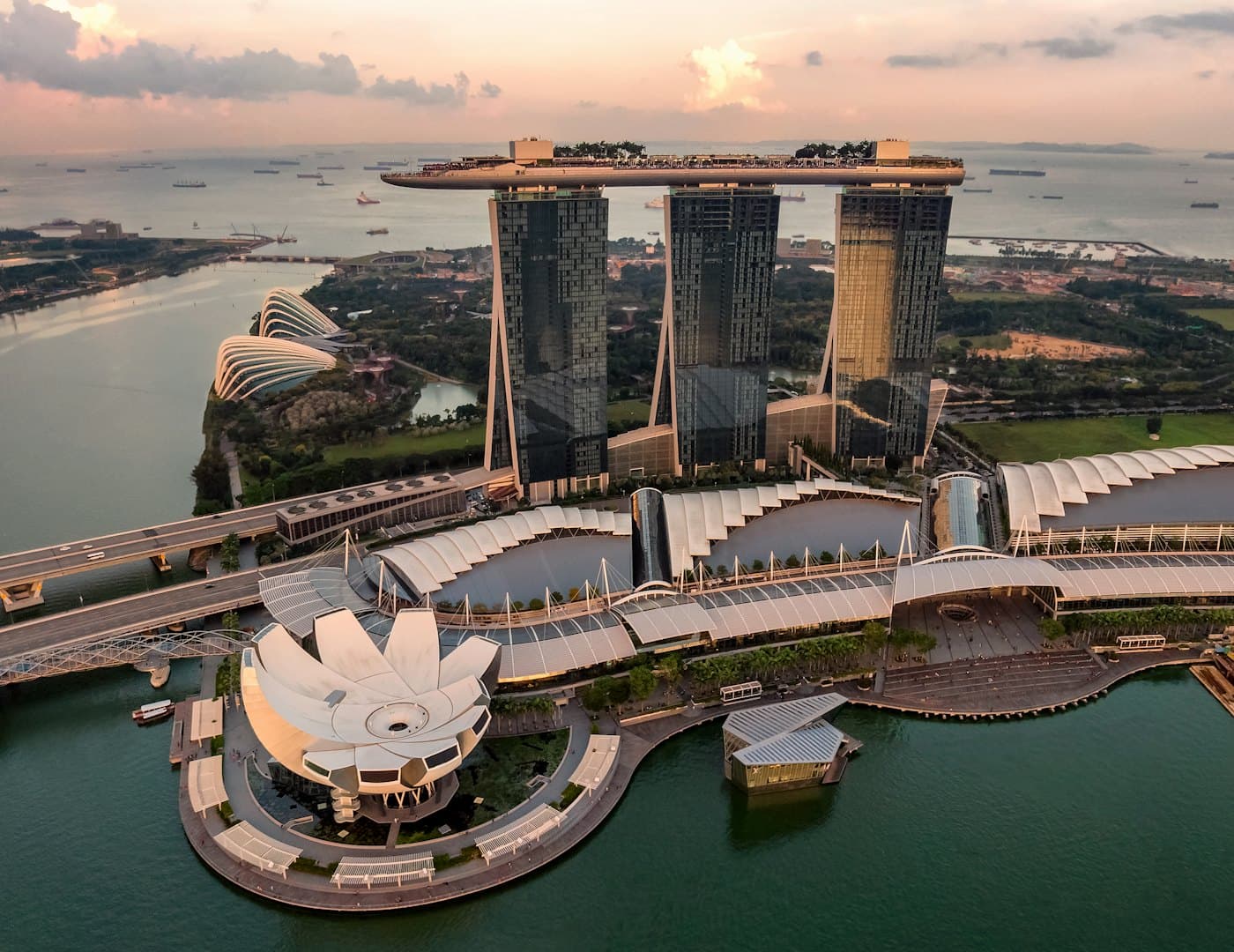
Begin around the Singapore River and the colonial-era civic district, where grand old buildings sit beside modern towers. Walk the riverside paths, then continue to the Marina Bay waterfront, which offers some of the most photographed views in the city. You can cross a pedestrian bridge, admire the skyline and visit the gardens' outdoor spaces, many of which are free to enter. Plan a late-afternoon walk when the heat eases, and stay for sunset. In the evening, a free light and water show is often staged near the bay, but check the schedule on the day. Save your paid attractions for later and treat this first day as an easy, orientation-style introduction.
Day two: heritage neighbourhoods
Spend the second day exploring the city's cultural districts. Start in Chinatown with its temples and market streets, including a visit to a Buddhist temple where quiet, respectful behaviour is expected. Move on to Little India, where colourful shopfronts, flower garlands and spice stalls fill the lanes. Finish in Kampong Glam, known for its historic mosque, textile shops and cafes along pedestrian streets. These three areas are close enough to link by a short MRT ride or a long walk. Dress modestly for religious sites, carry water and take breaks in air-conditioned shops. The reward is a rich sense of how Singapore's communities live and eat side by side.
Day three: green spaces and a lighter finish
Singapore is known as a garden city, and your final day should lean into that. Choose between the botanical gardens, which have a central lake and shaded paths, and a waterfront park with a long boardwalk. Early morning is best, before the sun is strong. Afterwards, consider a wander through a shopping district for a break from the heat, even if you only browse. If you have energy left, ride to a seaside area for an easy evening walk and a casual dinner. Keep the last day flexible so you can handle checkout, luggage and the journey to the airport without stress, since the transport links are quick but you should still allow generous time.
Eating cheaply and well
Hawker centres are the heart of affordable eating in Singapore. These open-air food courts gather dozens of stalls, each specialising in one or two dishes such as chicken rice, noodle soups, satay or grilled seafood. Prices are generally modest compared with restaurants, and the quality can be excellent. Look for stalls with steady queues of locals, and be prepared to find your own table, sometimes by placing a small packet of tissues on it as locals do. Many centres are cash-friendly, though payment options are growing. Tap water is safe to drink, so carry a bottle and refill it. Save restaurant meals for one special evening rather than every night.
Getting around smartly
The MRT train network is fast, air-conditioned and easy to understand. You can use a contactless bank card or a transit card at the gates, and a navigation app will show the best route and exit. Buses are cheap and cover areas the trains do not, though they take longer. Taxis and ride-hailing cars are convenient but add up, so use them mainly late at night or when carrying luggage. Walking between nearby sights is pleasant in the morning and evening, but plan indoor stops in the middle of the day. Remember that some rules differ from elsewhere, such as restrictions on eating and drinking on trains, so follow posted signs to avoid fines.
Mistakes that cost money
A common mistake is booking too many paid attractions, which quickly inflates a budget. Pick one or two that genuinely interest you and enjoy the free options for the rest. Another is eating in tourist-oriented restaurants at the busiest sights, where prices rise and quality can fall. Walking long distances at noon in strong humidity can also drain you, leading to expensive taxi rides. Failing to check entry rules, dress codes and opening days causes wasted trips. Finally, avoid booking a hotel purely on a low headline price without checking the distance to the nearest MRT station, because daily transport costs and lost time can offset any apparent saving.
Choosing your hotel area
For a first visit on a moderate budget, Bugis and the surrounding streets are a strong all-round choice, with easy rail access, plenty of food and a lively but manageable atmosphere. Little India offers good value and rich local flavour, while Chinatown suits travellers who want heritage character and late-night snacks. If your priority is a polished, central stay and your budget is flexible, the Marina Bay and riverside zones put the skyline at your door. Use filters on a comparison page to sort by guest rating and location, read recent reviews about noise and air conditioning, and consider free cancellation so you can adjust if your plans change.
Ready to book your stay in Singapore?
Compare hotels, areas and indicative prices.
Written by the Hoko Travel editorial team. Details such as prices and opening hours can change, so please check official sources before you travel.
Keep reading
Itineraries · 4 min read
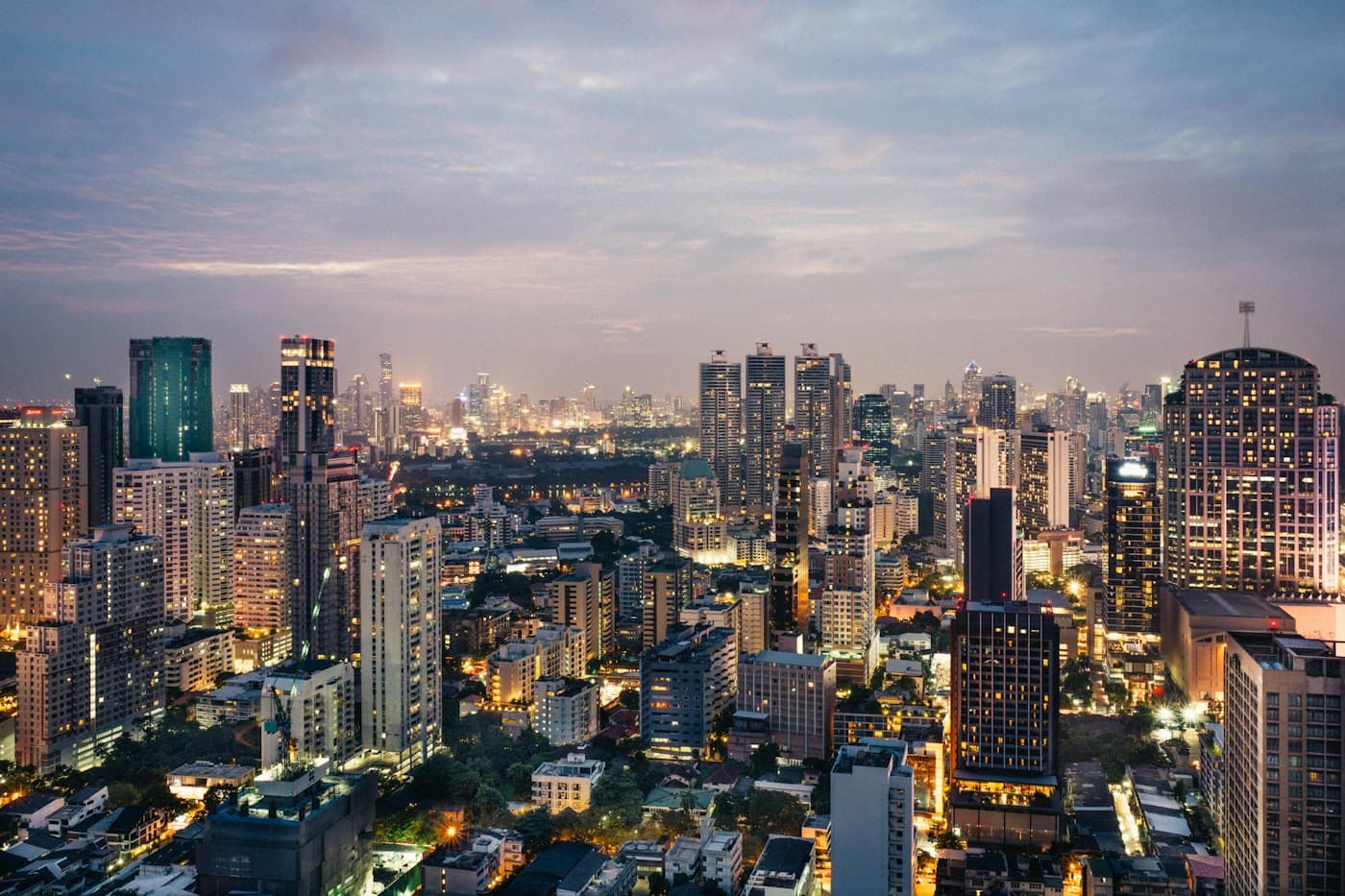
Three Days in Bangkok: An Easy First-Timer Itinerary
Temples, river life and one unforgettable night market, in a plan that does not exhaust you.
12 September 2026
Itineraries · 4 min read
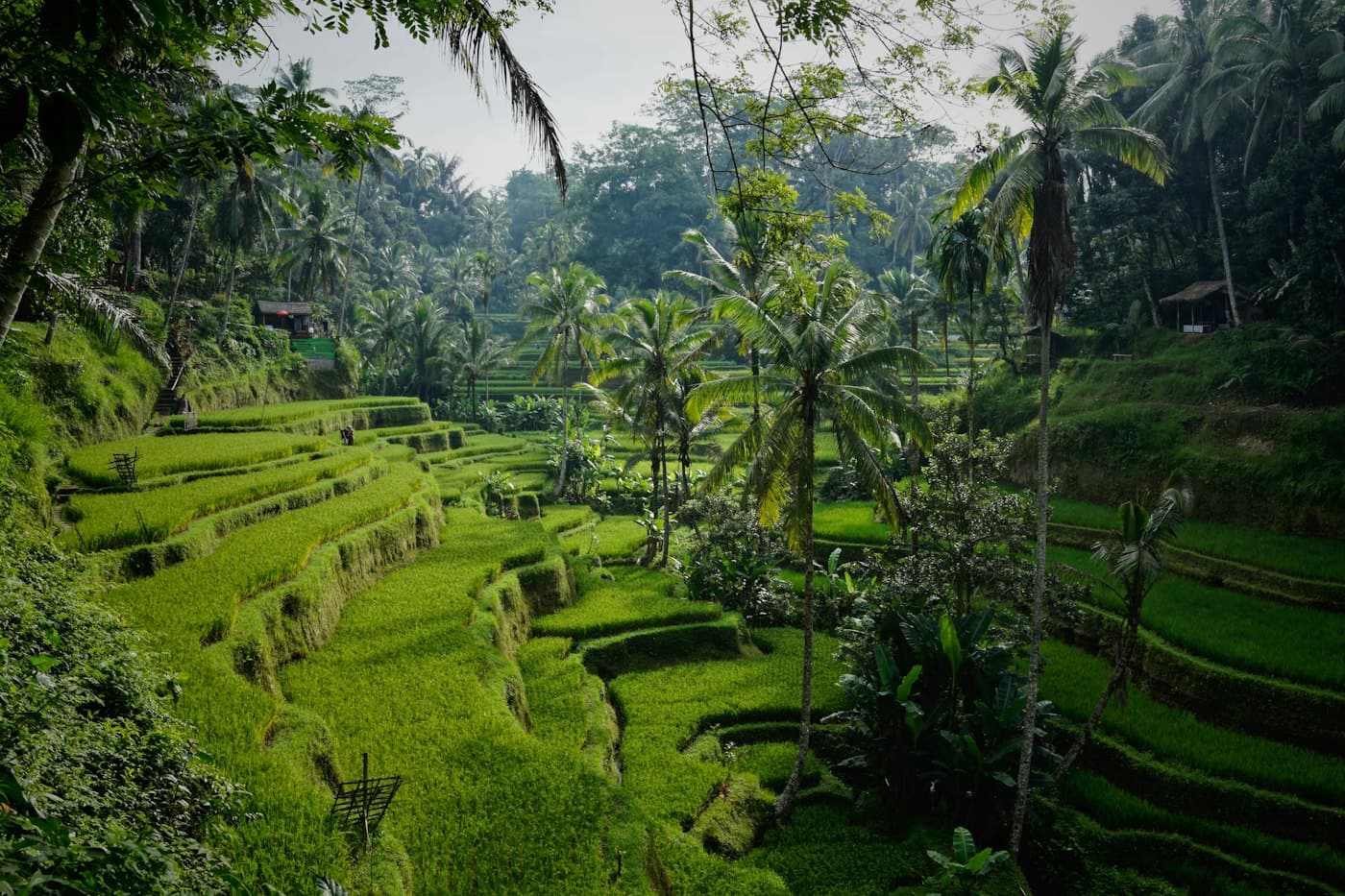
A Slow Week in Bali: Beach, Jungle and Cliffs
Split your time across three bases and you will see three completely different sides of the island.
25 August 2026
Itineraries · 4 min read
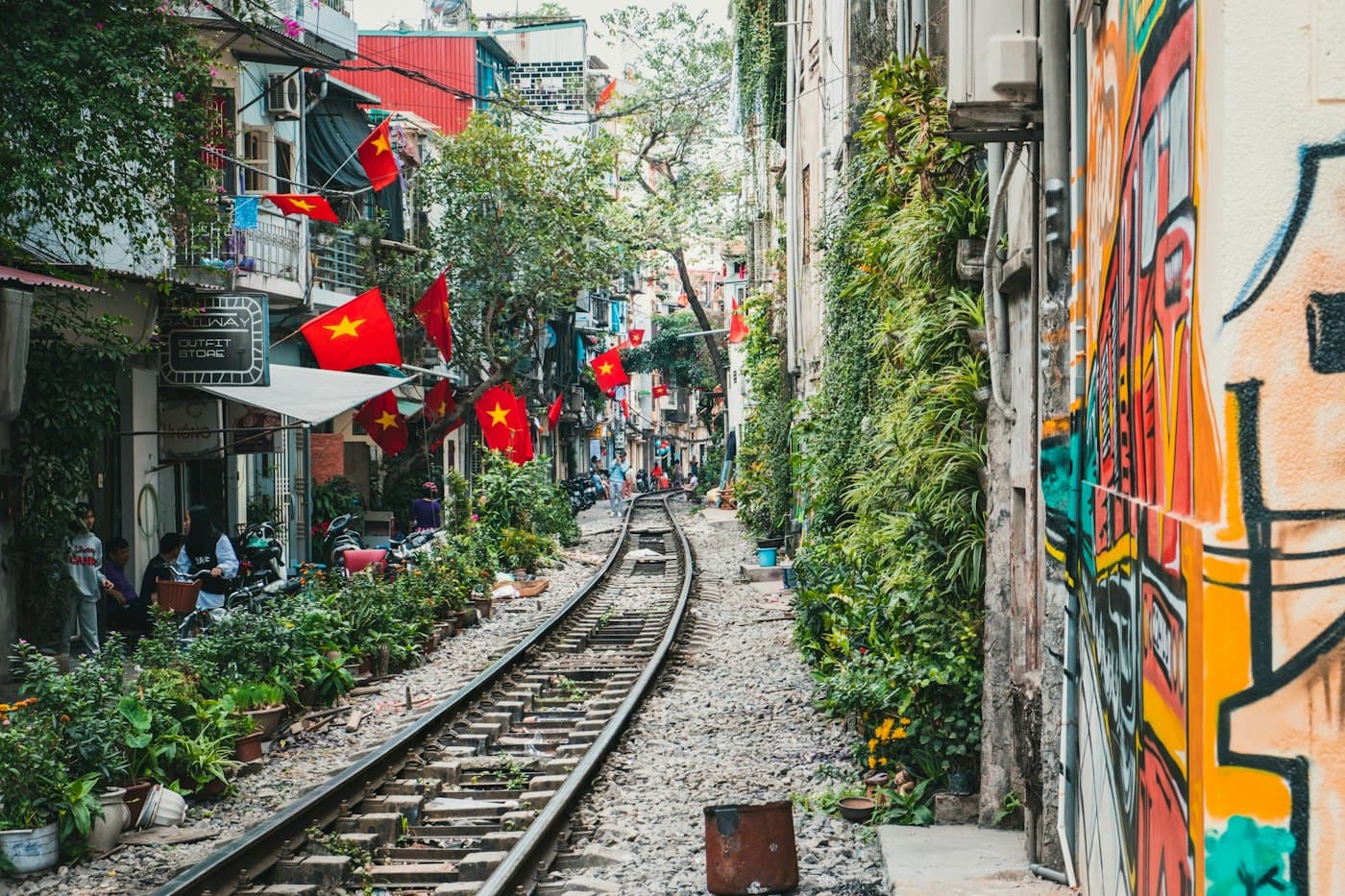
10 Days in Vietnam: Hanoi to Ho Chi Minh City
A classic north-to-south route with hotel tips for each stop, from the Old Quarter to the Mekong.
18 June 2026