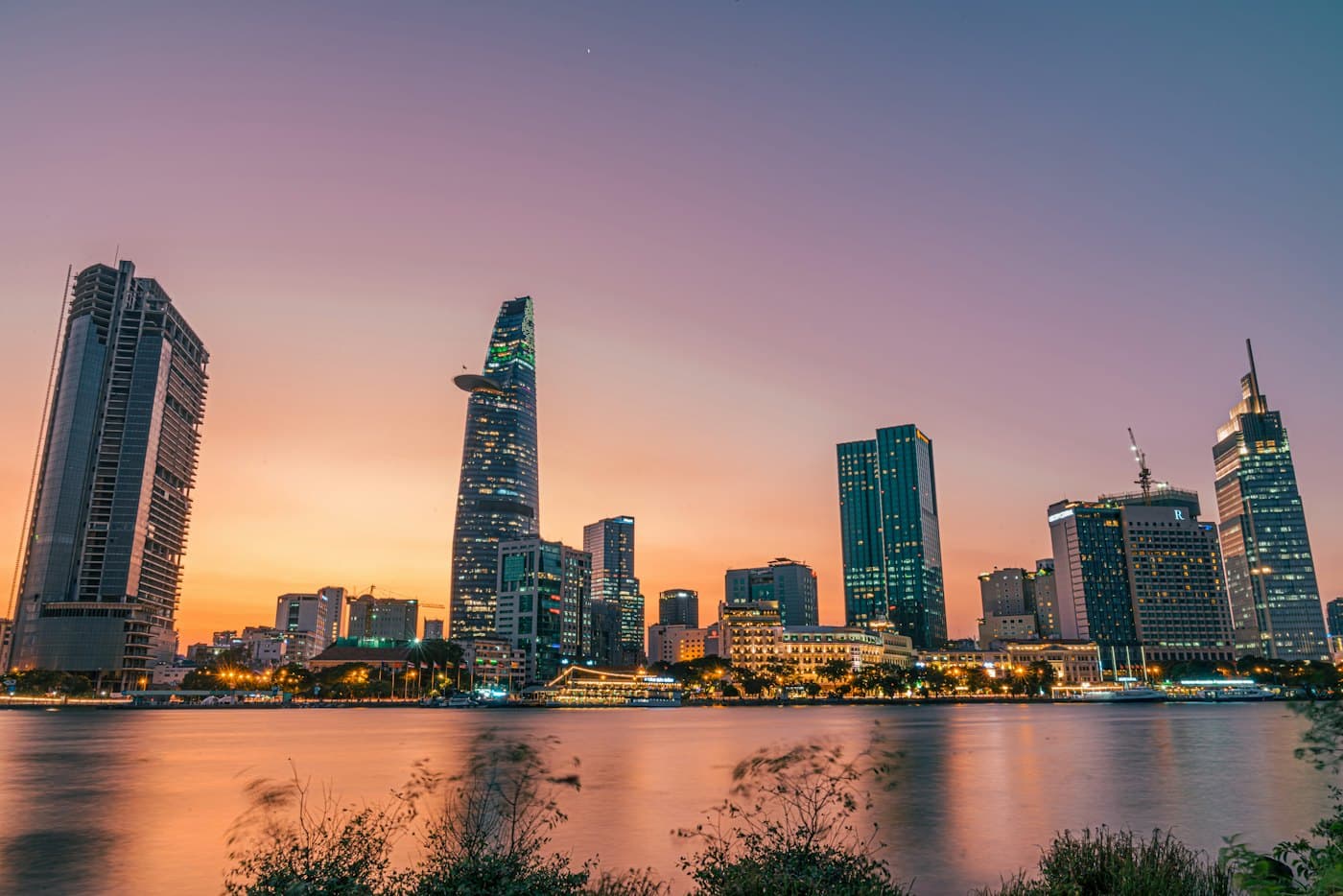
Two Days in Ho Chi Minh City: Landmarks and Street Food
18 February 2026 · 5 min read
A fast-paced two-day Ho Chi Minh City plan with colonial landmarks, markets, history and plenty of street food.
Ho Chi Minh City, still widely called Saigon, is Vietnam's largest and busiest city. It is hot, fast and full of life, with grand French-era buildings, glass towers, temples and endless food stalls competing for attention. Two days is enough to see the key landmarks, learn something about the country's history and eat well. This plan keeps most activities in the central districts, which are close enough to cover on foot or with short rides. It also places outdoor sightseeing in the cooler parts of the day, because the heat and humidity can be intense, and includes practical advice on moving through the traffic.
Where to base yourself
District 1 is the natural base for a short stay. It contains most major sights, restaurants and bars, and offers hotels at every price level. The streets around Nguyen Hue walking street are central and lively, while the area near Ben Thanh Market is convenient but busy. The backpacker zone around Bui Vien is energetic and noisy late into the night, so choose carefully if you want sleep. District 3 is a bit calmer, with cafes and tree-lined streets, and is still close to the centre. Look for a room away from the street, and check that the hotel can arrange reliable airport transfers.
Day one morning: colonial landmarks
Begin in the heart of District 1 where French colonial architecture stands out. See the Notre-Dame Cathedral, built with imported red brick, and the neighbouring central post office, an elegant building with a vaulted ceiling and old maps that is still a working post office. Check whether the cathedral interior is open to visitors, as access can vary. Walk down the tree-lined boulevard to the Opera House and Nguyen Hue walking street, a wide pedestrian promenade with cafes and street performers. Take your time, stop for a Vietnamese iced coffee and keep sunscreen and a hat handy as the sun climbs.
Day one afternoon: history and markets
After lunch, visit a museum that covers the country's history. The War Remnants Museum is the best known and presents a powerful, sobering account; give it time and be prepared for emotionally difficult images. Alternatively, the Reunification Palace shows the former presidential residence, preserved much as it was. Check opening hours, as many sites close for a midday break. In the late afternoon, wander through Ben Thanh Market, where stalls sell food, souvenirs and clothing. Bargain politely, compare prices and keep your belongings close, since pickpocketing can occur in crowded areas. Eat dinner at a street food spot or a local restaurant nearby.
Day two: Chinatown, temples and the river
Spend your second day exploring Cholon, the Chinatown district, a short ride from the centre. Visit old Chinese temples, such as those dedicated to sea goddesses or local deities, where incense coils hang from the ceiling and the atmosphere is calm. The nearby wholesale market is bustling and fascinating if you enjoy markets. Then return to the centre and take a break in a cafe. In the late afternoon, consider a short walk along the river or a boat trip at sunset. A rooftop bar offers views across the skyline, but check dress codes and prices before sitting down.
Street food strategy
Street food is the soul of the city. Look for banh mi sandwiches filled with pork, pate and pickles, broken rice with grilled meat, noodle soups and sweet dessert soups served over ice. Choose stalls that are busy and freshly cooking, and watch how food is prepared. Prices are generally low, but confirm them if no menu is posted. Carry small notes and avoid pulling out a large roll of cash. Drink bottled water and be cautious with ice if you have a sensitive stomach, though in restaurants it is generally made from purified water. Sit on the plastic stools, order one dish at a time and enjoy.
Getting around and crossing the street
The city's traffic is dominated by motorbikes. When crossing, walk at a slow and steady pace, make eye contact if possible and do not suddenly stop or change direction. Ride-hailing apps are convenient for cars and motorbike taxis, with prices shown upfront. Standard taxis exist but choose recognised companies with meters. Many central sights are walkable, but heat and distance can add up, so do not hesitate to ride between areas. A metro line has been developing, but for most visitors in the centre, walking and ride-hailing remain the main options. Keep phones secure while on the pavement or in a vehicle.
Mistakes to avoid
Do not hold your phone loosely near the road, since snatch theft from passing motorbikes is a known issue; keep bags on the side away from traffic. Avoid planning too many museums in one day, as the heat and emotional weight can be draining. Do not forget that some sites close for lunch or on certain days. Avoid unlicensed taxis and unclear fare offers. Be aware of the wet season, when heavy afternoon rain is common, and carry a light rain jacket or umbrella. And do not underestimate the value of a break: a cold drink in an air-conditioned cafe will help you enjoy the evening much more.
Choosing your hotel area
For most first-time visitors, District 1 is the easiest choice because nearly everything is nearby. Choose a quieter street rather than the busiest nightlife strip if you value sleep. District 3 offers a calmer atmosphere, cafes and local restaurants, with a short ride into the centre. If you want a river view and a more upscale feel, look at hotels along the waterfront. Check recent reviews for noise and cleanliness, and ask whether the hotel offers airport pickup. A comparison page lets you filter by area and rating, and flexible cancellation provides a useful safety net.
Ready to book your stay in Ho Chi Minh City?
Compare hotels, areas and indicative prices.
Written by the Hoko Travel editorial team. Details such as prices and opening hours can change, so please check official sources before you travel.
Keep reading
Itineraries · 4 min read
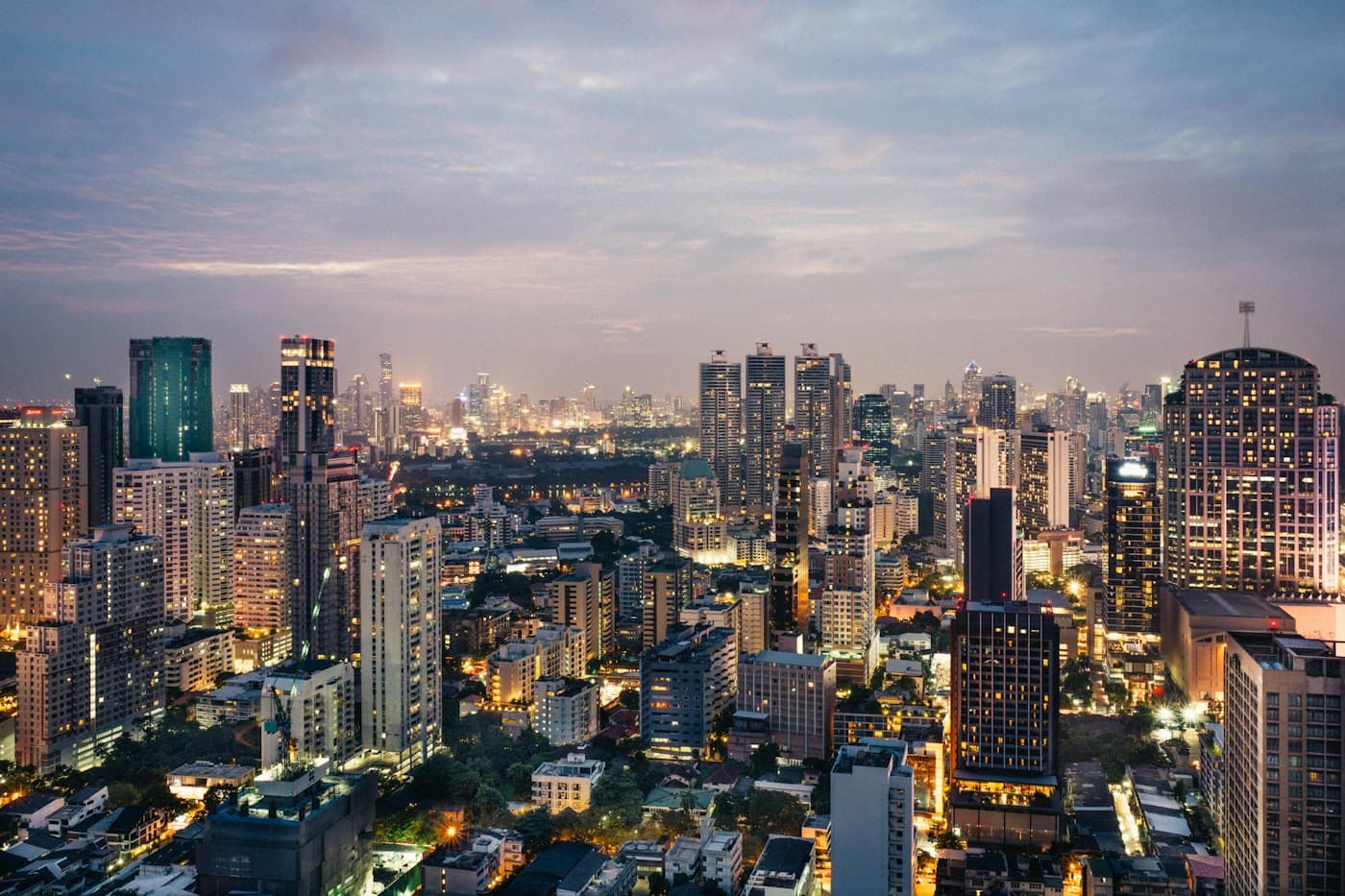
Three Days in Bangkok: An Easy First-Timer Itinerary
Temples, river life and one unforgettable night market, in a plan that does not exhaust you.
12 September 2026
Itineraries · 4 min read
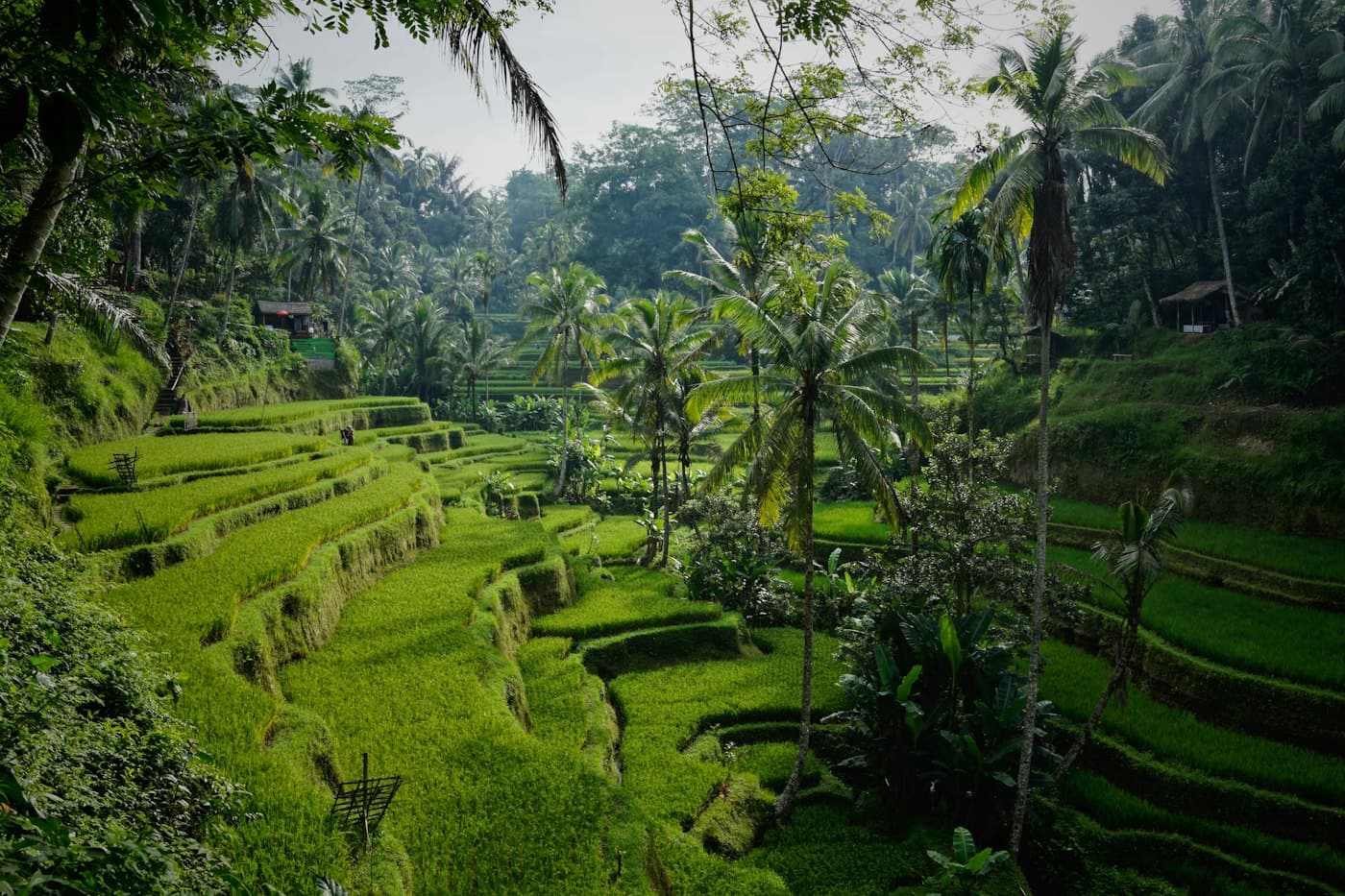
A Slow Week in Bali: Beach, Jungle and Cliffs
Split your time across three bases and you will see three completely different sides of the island.
25 August 2026
Itineraries · 4 min read
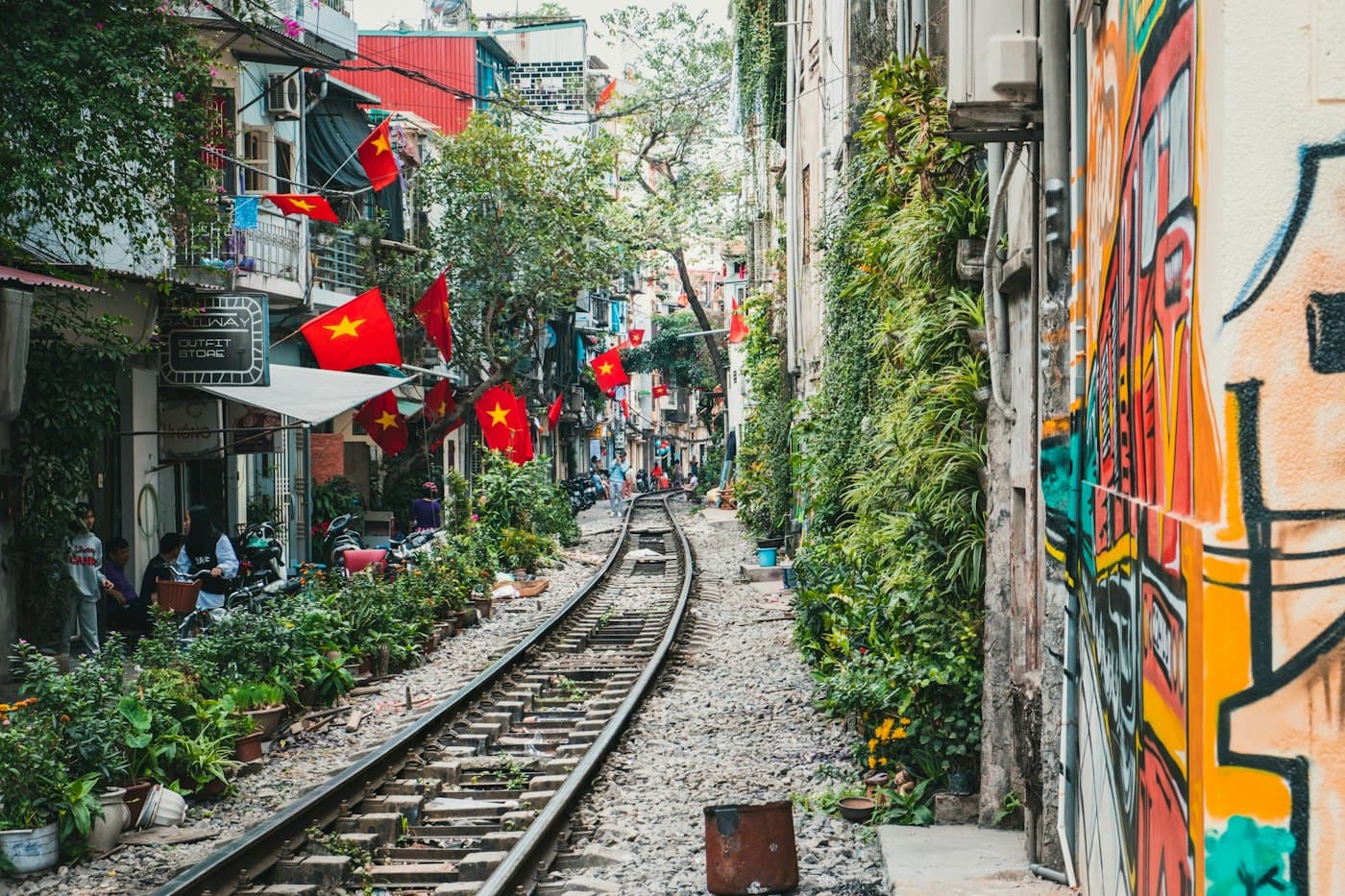
10 Days in Vietnam: Hanoi to Ho Chi Minh City
A classic north-to-south route with hotel tips for each stop, from the Old Quarter to the Mekong.
18 June 2026