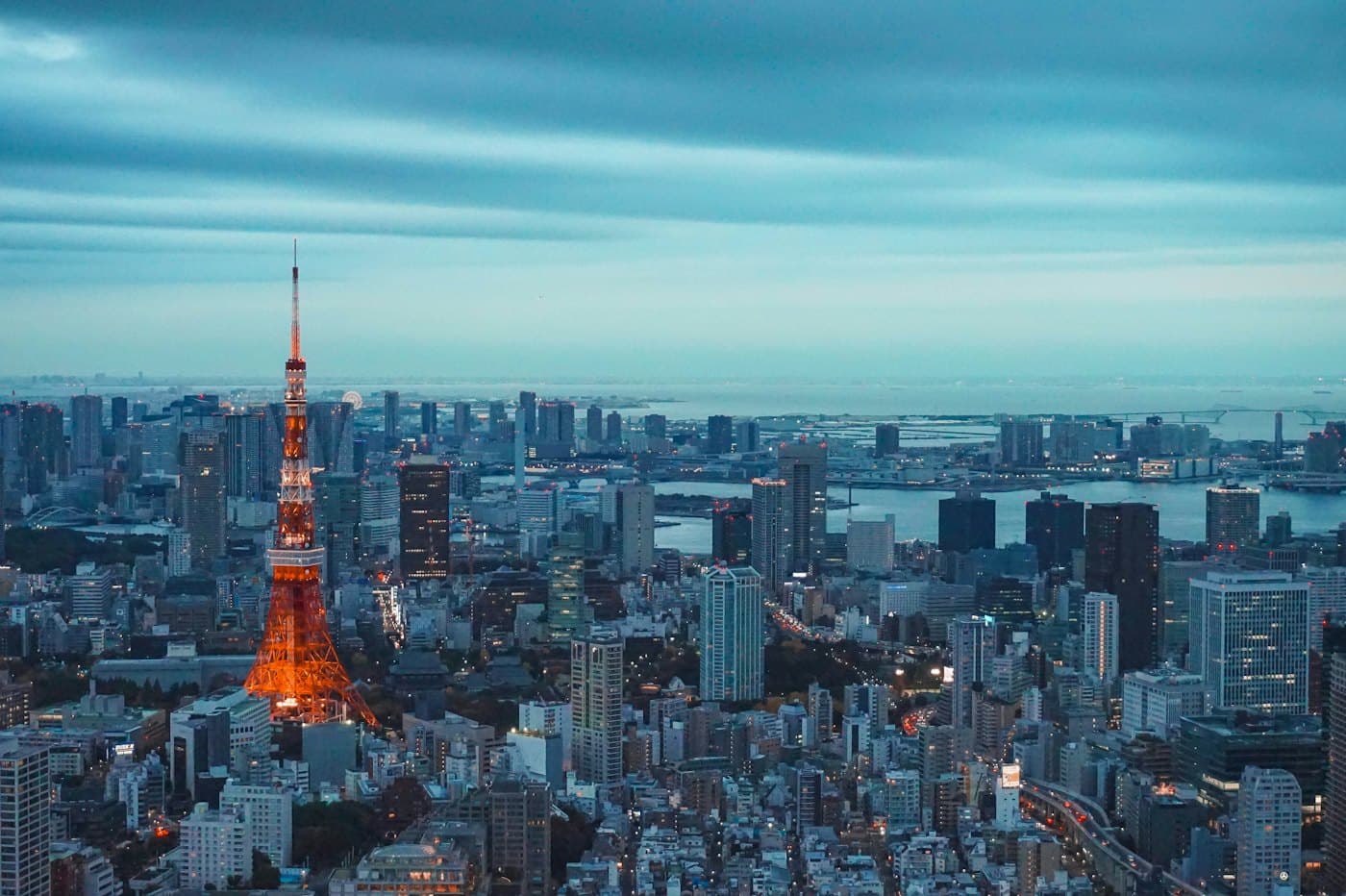
Two Days in Tokyo: A Compact First-Timer Plan
5 January 2026 · 5 min read
A realistic two-day Tokyo route covering old temples, famous crossings, food stalls and the best area to sleep.
Tokyo is enormous, and two days will never cover it. The trick is to stop trying to see everything and pick a handful of areas that sit close to each other on the train map. This plan splits the city into an older, calmer east side for the first day and a busier, neon-lit west side for the second. You will walk a lot, ride trains often and eat very well. Expect to cover a few neighbourhoods rather than a long list of attractions, and leave gaps for wandering into side streets, because that is where Tokyo is most rewarding. Read this as a framework you can rearrange, not a rigid schedule, and remember that a slower day usually feels better than a rushed one.
Where to base yourself
For a short stay, location matters more than hotel size or fancy facilities. Choose a place within a short walk of a major station on the Yamanote loop line, because that loop connects most of the places visitors want to see. Areas around Tokyo Station, Ueno, Shinjuku and Shibuya are all sensible. Rooms in central Tokyo are often compact, so do not be surprised if a double room feels small by international standards. Prioritise cleanliness, a quiet room away from the main road and an easy route from the airport. If you arrive late or leave early, staying near a direct airport train stop will save you energy on a trip this short.
Day one morning: Asakusa and the old east side
Start early in Asakusa, home to Senso-ji, Tokyo's best-known temple. Arriving before the tour groups means you can walk the approach street, pass through the large lantern gate and reach the main hall without a crush. Afterwards, stroll along the Sumida River for views of the modern skyline across the water. The streets behind the main shopping lane are quieter and have small craft shops, tea sellers and traditional sweets worth sampling. Allow about three hours here, including a slow snack stop. If you like markets, you can pair this morning with a visit to a fish market area for a seafood breakfast, though check whether stalls are open on the day you plan to go.
Day one afternoon and evening: Ueno to Akihabara
From Asakusa, ride a short distance to Ueno, where the large park holds museums, shrines and a pond with lotus plants in season. Pick one museum rather than several, since each is big enough to absorb an afternoon. Then continue to Akihabara for a taste of Tokyo's electronics and pop-culture side, with multi-storey game centres and shops stacked with figures and gadgets. Even if you are not a collector, the sheer scale is entertaining. For dinner, look for a small restaurant specialising in one dish, such as ramen, tempura or grilled chicken skewers. Many places use a ticket machine at the entrance, so look for pictures on the buttons if you cannot read the menu.
Day two morning: Meiji Shrine and Harajuku
Spend your second morning on the west side. Begin at Meiji Shrine, where a wide gravel path runs through a forested park that feels remarkably far from the city. Go early for the quietest atmosphere, and take a moment to observe the customs at the entrance, such as bowing slightly at the gate. Then walk toward Harajuku, where the famous youth-fashion street is lively and colourful. For a calmer alternative, explore the lanes behind it, with independent cafes and design shops. Keep your pace relaxed, because the walk between shrine and shopping streets is itself part of the pleasure. Finish with a coffee or a sweet crepe, and sit down for a few minutes before moving on.
Day two afternoon and night: Shibuya and Shinjuku
Continue to Shibuya to see the busy pedestrian crossing, which is best viewed from an elevated spot such as a nearby building window or station walkway. Wander the surrounding streets for department stores and record shops. As evening arrives, move on to Shinjuku, which transforms after dark. The skyscraper district has free or low-cost observation decks in some towers, and the area around the station is packed with bars and restaurants. For a memorable night, try a narrow lane of tiny drinking spots, but be aware that some have seating charges or limited English. Walk in, look at the sign for any posted rules, and do not feel pressured to stay if it does not suit you.
Getting around and eating well
Tokyo's rail network looks intimidating but works smoothly. A rechargeable IC card, which you can add to a phone wallet or buy as a physical card, lets you tap through gates on trains, subways and many buses without buying individual tickets. Use a navigation app to check platforms and exit numbers, since big stations have many exits and choosing the right one saves ten minutes of wandering. For food, do not skip convenience stores, which sell surprisingly good sandwiches, rice balls and hot snacks. Standing noodle bars, set-meal restaurants and department store basement food halls give excellent meals at modest cost. Carry some cash for small shops, as not everywhere accepts cards.
Common mistakes to avoid
The biggest error is trying to fit too many districts into a day. Travel between areas takes longer than the map suggests once you add walking inside stations. Another mistake is visiting popular spots at midday, when queues are longest; early mornings and later evenings are calmer. Avoid eating on the move in busy streets, as it is considered impolite in many places, and keep your voice low on trains. Do not assume all attractions are open every day, since many museums close on one weekday, so check before you go. Finally, avoid carrying a large suitcase on rush-hour trains; send it ahead or leave it at your hotel if you can.
Choosing your hotel area
If this is your first visit and you want ease, pick between three broad choices. Shinjuku offers endless dining and excellent transport links but can feel hectic at night. Shibuya is youthful and central, with good access to both shrines and nightlife. Around Tokyo Station or Ueno, you get calmer streets and quick access to the airport and bullet trains, which suits shorter, practical stays. Whichever you choose, compare recent guest reviews on noise, room size and distance to the station entrance. Using a comparison page to filter by neighbourhood helps you balance location against budget, and a flexible cancellation option gives you room to adjust your plans.
Ready to book your stay in Tokyo?
Compare hotels, areas and indicative prices.
Written by the Hoko Travel editorial team. Details such as prices and opening hours can change, so please check official sources before you travel.
Keep reading
Itineraries · 4 min read
Three Days in Bangkok: An Easy First-Timer Itinerary
Temples, river life and one unforgettable night market, in a plan that does not exhaust you.
12 September 2026
Itineraries · 4 min read
A Slow Week in Bali: Beach, Jungle and Cliffs
Split your time across three bases and you will see three completely different sides of the island.
25 August 2026
Tips · 4 min read
Japan Hotel Etiquette: What First-Time Visitors Should Know
Slippers, shared baths, quiet hours and tipping: a short guide to staying politely in Japan.
8 August 2026