Ubud or Seminyak? How to Choose Your Bali Base
28 February 2026 · 5 min read
Rice terraces and culture in Ubud, or beaches and nightlife in Seminyak? A clear guide to picking your Bali base.
Bali is small on the map but varied on the ground, and choosing where to stay is the most important decision you will make. Two names come up again and again: Ubud, in the green hills of the interior, and Seminyak, on the sunny south-west coast. They offer very different experiences. One is known for rice terraces, temples, crafts and a slower rhythm; the other for beaches, restaurants, boutique shopping and sunset bars. Many travellers split their stay between both. This guide compares them honestly, so you can decide whether to choose one, or both, and plan around the realities of Bali traffic.
What Ubud offers
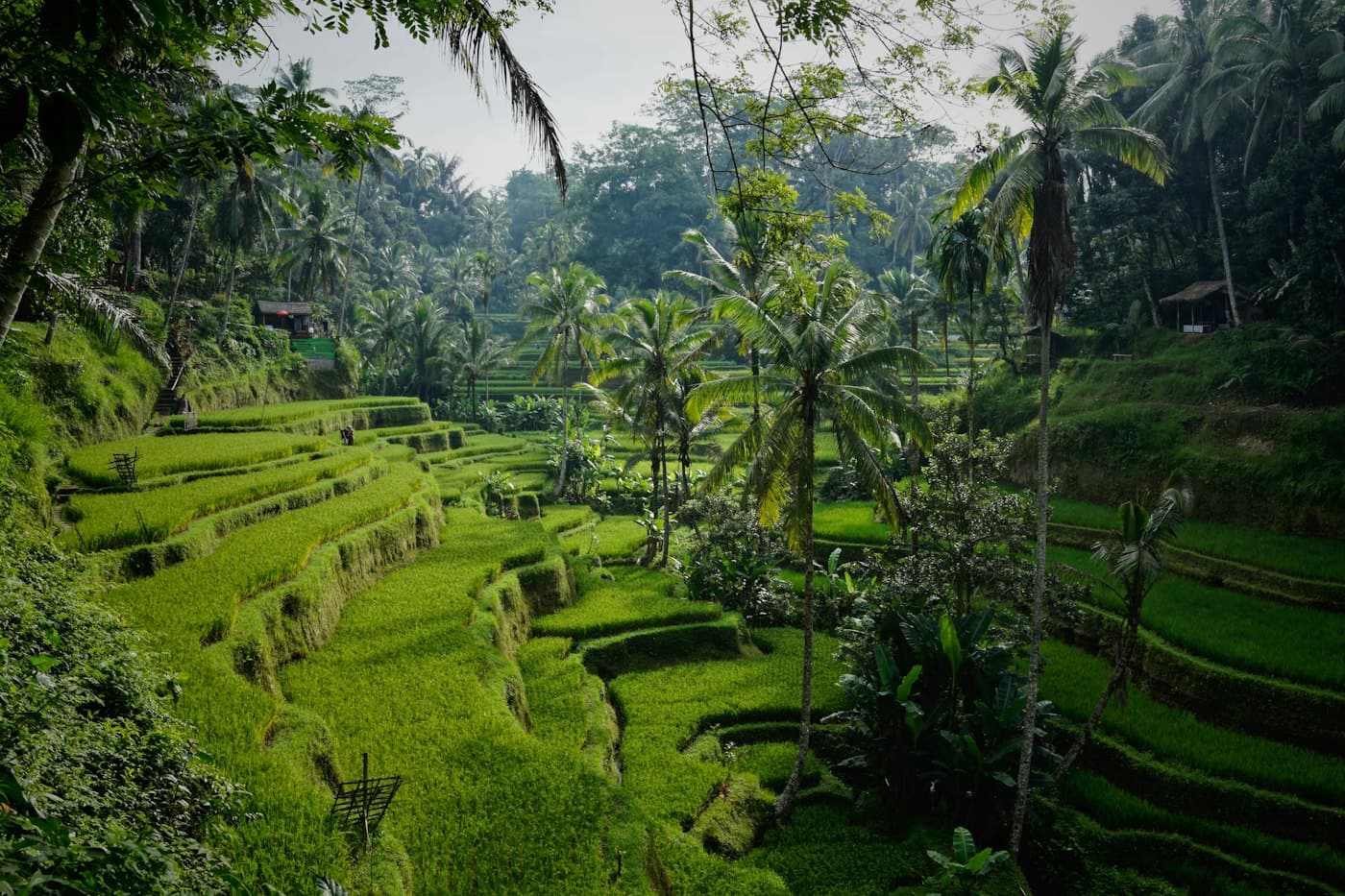
Ubud is the island's cultural heart. Its surroundings include terraced rice fields, forest walks, art museums, small galleries and temples. Mornings can be spent at a yoga class, a cooking class or a gentle walk along a ridge path, and evenings at a traditional dance performance. The town centre is busy with shops and cafes, but a few minutes away the landscape becomes quiet and green. Ubud suits travellers who love nature, culture, wellness and good vegetarian and local food. There is no beach, so if sea and sand matter, you will need to travel to the coast, which can take a while.
What Seminyak offers
Seminyak lies along a long stretch of beach on the south-west coast, with wide sand, surf and some of the island's best sunsets. Behind the beach, streets are lined with restaurants, boutiques, beach clubs, spas and nightlife. It is polished, social and convenient, with a huge range of dining from simple warungs to upscale kitchens. Seminyak suits couples, friends and travellers who want a mix of beach time, shopping and evenings out. It is busier and more commercial than Ubud, and traffic in the narrow streets can be heavy at peak hours. Swimming conditions vary, so heed lifeguard flags and local advice.
Atmosphere and pace
The difference is easiest to describe as slow green versus lively coastal. In Ubud, days begin early with birdsong and mist over the fields, and many places quiet down in the evening. In Seminyak, mornings are lazy, afternoons are spent at the beach or pool, and evenings stretch late. Ubud rewards curiosity, with temples, craft villages and walks to discover. Seminyak rewards relaxation, with spa treatments, sunset drinks and beach walks. If you like early starts and cultural activities, lean toward Ubud. If you prefer sleeping in, sea views and late dinners, lean toward Seminyak. Neither is better; they simply serve different moods.
Getting around Bali
Distances in Bali are deceptive. The drive between Ubud and Seminyak can take well over an hour, and sometimes much longer in traffic. Public transport is limited, so most visitors use private drivers, ride-hailing cars or scooters. A driver for a full day is a popular option for sightseeing and is often good value when shared. Renting a scooter is common but carries real risks; roads are busy, and you need a valid licence and insurance. Plan days by area to avoid long drives, and leave extra time for airport transfers, which are best arranged in advance.
Food and activities
In Ubud, expect organic cafes, smoothie bowls, local warungs serving rice dishes and fine dining with garden views. Activities include rice terrace walks, waterfall visits, art markets and workshops in silver, wood carving or batik. In Seminyak, expect brunch spots, seafood, international kitchens and beach clubs, along with surf lessons, spa days and boutique shopping. Both areas have plenty of choices for different diets. Remember to drink bottled or filtered water, choose busy eateries and carry a small amount of cash for markets and warungs. Dress modestly when visiting temples, with a sarong and sash, which are often provided at the entrance.
Seasons and timing
Bali has a drier season and a wetter one. In the drier months, skies are clearer and beaches are at their best, but popular areas fill up and prices rise. In the wetter months, showers are common, usually in the afternoon or evening, and the countryside is lush. Ubud remains enjoyable in rain, with indoor classes and cafes, while beach days in Seminyak depend more on the weather. Ceremonies and holidays can close roads or change opening times, so ask your hotel about local events. Book early for peak weeks, and always check the forecast when planning day trips.
Mistakes to avoid
Do not underestimate travel times between areas, and avoid booking a tight schedule that requires frequent transfers. Do not assume that every hotel is within walking distance of shops or restaurants, especially in Ubud's outskirts, where you may depend on a driver. Avoid unlicensed street money changers and always count your money. Be respectful at temples and ceremonies, and do not step on offerings placed on the ground. Do not rent a scooter unless you are experienced and insured. And avoid changing hotels too often; moving every night wastes time on the road and tires you out.
Choosing your base
Choose Ubud if you want culture, nature, wellness and a calmer pace, and accept that the beach is a drive away. Choose Seminyak if you want sand, sunsets, dining and nightlife with easy access to the airport. If you have five nights or more, splitting your stay is a great option: begin in the hills to unwind, then finish at the coast. Check hotel locations carefully, since an Ubud property on the outskirts will feel very different from one in the centre. Compare guest reviews and use a comparison page to filter by area and rating. Flexible cancellation is helpful during the wetter months.
Ready to book your stay in Bali?
Compare hotels, areas and indicative prices.
Written by the Hoko Travel editorial team. Details such as prices and opening hours can change, so please check official sources before you travel.
Keep reading

Itineraries · 4 min read
Three Days in Bangkok: An Easy First-Timer Itinerary
Temples, river life and one unforgettable night market, in a plan that does not exhaust you.
12 September 2026
Itineraries · 4 min read
A Slow Week in Bali: Beach, Jungle and Cliffs
Split your time across three bases and you will see three completely different sides of the island.
25 August 2026

Itineraries · 4 min read
10 Days in Vietnam: Hanoi to Ho Chi Minh City
A classic north-to-south route with hotel tips for each stop, from the Old Quarter to the Mekong.
18 June 2026