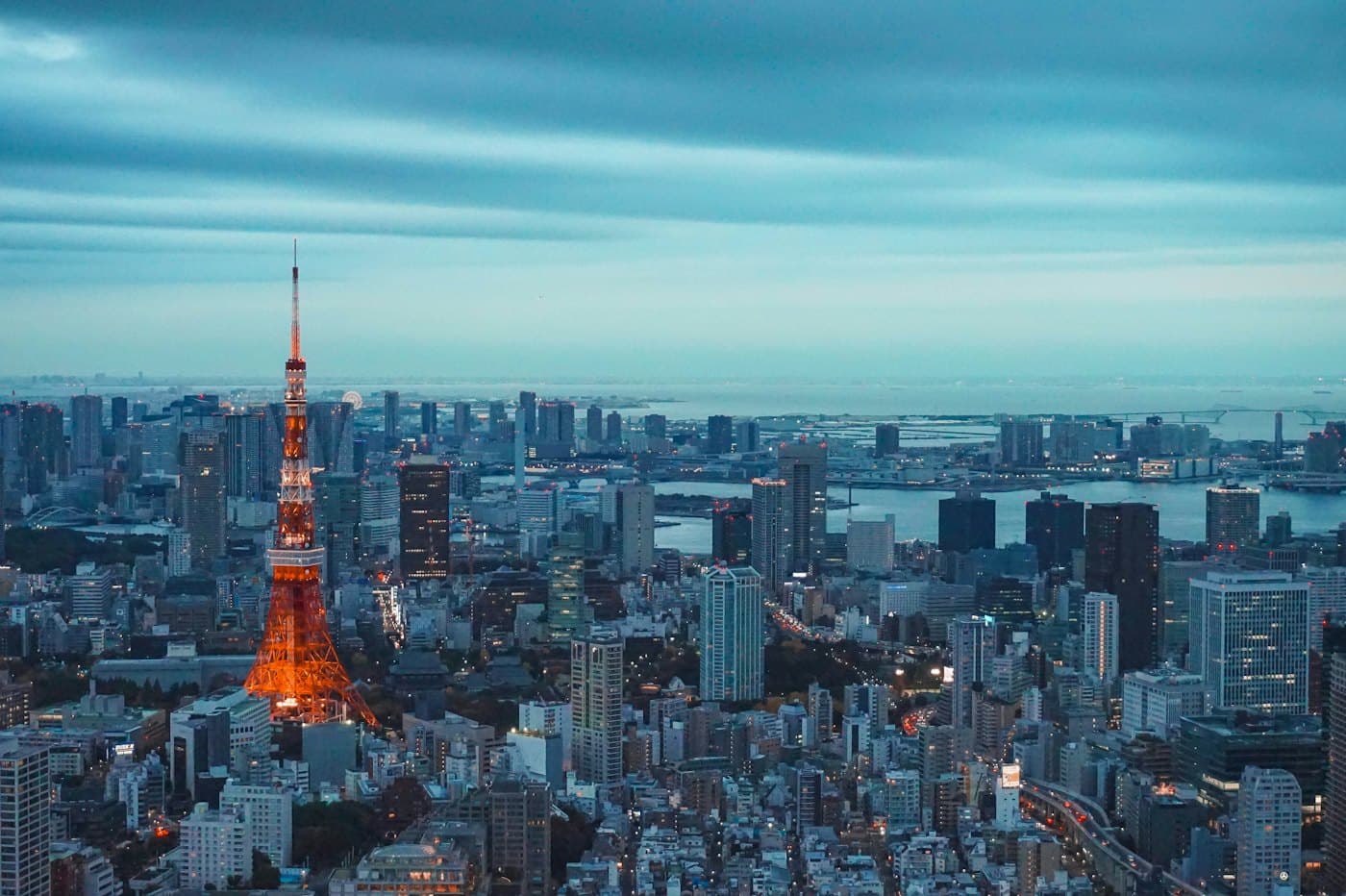
Where to stay in Tokyo
Tokyo is really a collection of villages stitched together by the best public transport on earth. Pick the neighbourhood that matches your mood and the rest of the city is a short train ride away. Here is how the main areas compare, so you can choose a base that fits your trip before you pick a hotel.
| Area | Best for | Price | Walkability | Vibe |
|---|---|---|---|---|
| Shinjuku | First-timers and nightlife | $$$· | ●●●●○ | Neon-lit, energetic and endlessly busy. |
| Ginza & Marunouchi | Luxury and bullet-train access | $$$$ | ●●●●○ | Polished, elegant and calm in the evenings. |
| Shibuya | Fashion and nightlife | $$$· | ●●●●○ | Young, loud and always moving. |
| Asakusa | Traditional Tokyo and value | $$·· | ●●●●○ | Old-fashioned, relaxed and rooted in tradition. |
| Ueno | Museums and budget-friendly access | $$·· | ●●●●○ | Down-to-earth, with a big park and busy market streets. |
Shinjuku
First-timers and nightlifeShinjuku is the classic choice for a first visit. The station is among the busiest in the world, which means almost any part of the city and many day trips are straightforward from your door. By day there are skyscrapers, department stores and quiet gardens to explore. At night the narrow alleys fill with tiny bars and izakaya, and the entertainment district glows until late. Choose a hotel on the calmer side of the station if you want better sleep. Finding the right exit takes practice, so allow extra time with luggage. Rooms are compact, which is typical across the city, but efficient and clean.
Getting around: A giant rail hub with many train, subway and airport express connections.
Pros
- + Unbeatable rail connections
- + Huge range of restaurants and bars
- + Hotels for every budget
Cons
- - Crowded station is confusing
- - Noisy around the entertainment areas
- - Rooms are often small
Ginza & Marunouchi
Luxury and bullet-train accessThis pair of districts suits travellers who value comfort, service and convenience. Marunouchi's glass towers surround Tokyo Station, which makes it a smart base for day trips by bullet train and for airport transfers. Ginza adds flagship shops, department stores, galleries and some of the city's most celebrated restaurants. Days feel smart and orderly, and evenings are calm, with fewer late-night crowds than elsewhere. Expect high prices and fewer budget options, though business hotels offer decent value. If you want gritty street life or cheap eats, you will need to travel a few stops, but the subway makes that quick.
Getting around: Tokyo Station anchors the area, with bullet trains and several subway lines.
Pros
- + Direct access to bullet trains
- + Refined dining and department stores
- + Safe, tidy streets at night
Cons
- - Expensive for rooms and meals
- - Quiet after offices close
- - Less youthful nightlife
Shibuya
Fashion and nightlifeShibuya is the place for visitors who want to feel the pulse of youth culture. The famous crossing, the fashion stores and the dense maze of cafes, record shops and bars keep the area busy from morning until the early hours. Harajuku and large green spaces are within an easy walk or one stop away, which gives a nice balance. Evenings are social and loud, so light sleepers should look for hotels up the hill or on side streets. Construction around the station can make navigation tricky. It is a fun, energetic base for friends and solo travellers, less relaxing for families seeking peace.
Getting around: Several train and subway lines meet at a large station, including the Yamanote Line.
Pros
- + Trendy shops, cafes and clubs
- + Strong rail links across the city
- + Close to Harajuku and parks
Cons
- - Very crowded at peak times
- - Late-night noise in busy zones
- - Steep streets and station mazes
Asakusa
Traditional Tokyo and valueAsakusa gives a taste of older Tokyo at friendlier prices. The temple and its market street are on your doorstep, and early mornings before the tour groups arrive are magical. Riverside walks, small museums and traditional snack shops fill the day. By evening most visitors leave, so the streets calm down and local restaurants take over. Hotels here include family-run inns, hostels and simple business-style rooms, often better value than in the big hubs. The downside is distance: reaching Shinjuku or Shibuya takes a while and may need a transfer. Check which line your hotel is closest to before booking.
Getting around: Served by several subway lines and a private railway, but not the Yamanote Line.
Pros
- + Walk to the famous temple
- + Good-value hotels and guesthouses
- + Quieter evenings and friendly feel
Cons
- - Less nightlife
- - Longer rides to western districts
- - Very crowded near the temple by day
Ueno
Museums and budget-friendly accessUeno is a sensible pick for travellers who want solid transport and lower rates without leaving the central loop line. The large park holds several major museums and a zoo, so days are easy to fill, and the market street nearby is good for cheap snacks and bargains. In the evening there are plenty of casual restaurants and bars, with a more local feel than the glossy districts. Some blocks look worn and a few back streets get lively late, so check your hotel's immediate surroundings. Airport express services stop here, which makes arrival and departure simple. It suits couples, families and budget-minded visitors.
Getting around: A major station on the Yamanote Line with subway lines and express trains to the airport.
Pros
- + Museums and zoo in the park
- + Direct trains to major airports
- + Good prices for central Tokyo
Cons
- - Some streets feel a little shabby
- - Less polished dining than other areas
- - Crowds at the station
Found your area?
See hotels and indicative prices in Tokyo.